In today’s digital landscape, the traditional boundaries between work and leisure are increasingly becoming indistinct, a transformation driven by the proliferation of remote work and the relentless evolution of connectivity. This paradigm shift offers a unique opportunity for those with an insatiable wanderlust, presenting the exciting possibility of exploring new territories while still fulfilling professional obligations. However, achieving a harmonious balance between these two pursuits demands careful planning and strategic thinking. Let’s delve deeper into the practical strategies, enriched with detailed case studies and real-world examples, to make this integration seamless and fulfilling.
Embrace the Remote Work Mindset
To thrive in a world where work and travel coexist, embracing a remote work mindset is crucial. This mindset is characterized by flexibility, adaptability, and a proactive approach to both professional and personal pursuits. It requires acknowledging that productivity isn’t confined to a traditional office setting and can flourish in diverse environments.
Case Study: Sarah’s Adaptive Routine
Sarah, a digital marketing consultant with an unquenchable desire to travel, embodies this mindset. She emphasizes the importance of setting clear boundaries and crafting a routine aligned with her lifestyle. For Sarah, this means dedicating specific hours each day to work, irrespective of her location. She relies on project management tools like Trello and Asana to track tasks and deadlines, ensuring productivity while leaving ample time for exploration. Her approach underscores the importance of structure, even in the fluid environment of travel.
Sarah’s experience highlights a critical lesson: flexibility doesn’t imply a lack of structure. Instead, it involves customizing your work habits to fit your lifestyle, ensuring both personal and professional satisfaction.
Choose Destinations Wisely
Selecting the right destination can significantly impact your ability to balance work and travel. It’s essential to choose locations that cater to your work needs, such as reliable internet connectivity, access to coworking spaces, and a time zone that aligns with your team’s working hours.
Real-World Example: James in Bali
Consider James, a software developer who embarked on a six-month remote work venture in Bali. Before finalizing his travel plans, James conducted thorough research into Bali’s digital nomad infrastructure. He discovered a vibrant community of remote workers and numerous coworking spaces equipped with high-speed internet. This foresight paid dividends, enabling him to maintain his usual level of productivity while soaking in the cultural and natural beauty of Bali.
James’ story illustrates the importance of destination research. By ensuring that the location supports your professional needs, you can enjoy the local culture without compromising on work commitments.
Set Up a Mobile Office
A well-organized mobile office is pivotal for maintaining productivity on the road. This involves investing in essential tools and equipment that enable efficient work from any location. At a minimum, you’ll need a reliable laptop, noise-cancelling headphones, and a portable charger to keep your devices powered.
Practical Steps for a Mobile Office
– Hardware Essentials: Invest in a lightweight laptop with long battery life, noise-cancelling headphones for undisturbed focus, and a portable charger.
– Software Tools: Utilize software like Slack for team communication, Zoom for virtual meetings, and Google Workspace for document collaboration.
– Cloud Storage: Ensure that all necessary files and resources are stored in the cloud, granting easy access regardless of location.
This setup allows you to maintain continuity in your work, ensuring that mobility doesn’t come at the cost of efficiency.
Create a Consistent Routine
One of the greatest challenges when balancing travel and work is establishing a consistent routine. A routine aids in maintaining focus and effective time management. Start by identifying your most productive hours and scheduling work tasks accordingly.
Insight from Emily’s Routine
Emily, a content writer with a passion for travel, begins her day with a morning routine that includes meditation, a healthy breakfast, and a quick workout. She then dedicates the next four hours to focused work, followed by lunch and exploration. By treating her work hours as non-negotiable, Emily ensures she meets her professional obligations while also indulging in travel experiences that fuel her creativity.
Emily’s disciplined routine underscores the importance of structure. By integrating personal rituals, she maintains her well-being, enhancing both productivity and enjoyment of her travels.
Leverage Coworking Spaces
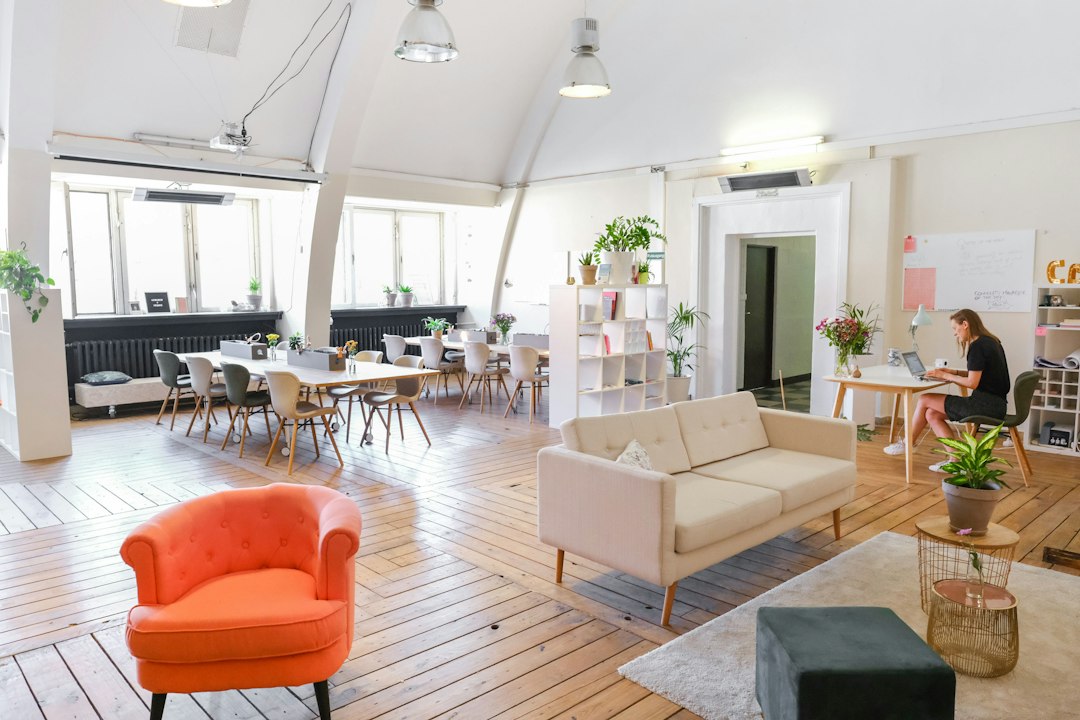
Coworking spaces are invaluable for remote workers, offering not only essential infrastructure but also a community of like-minded individuals. These spaces, available worldwide, provide opportunities for networking, collaboration, and social interaction.
Mark’s European Adventure
Mark, a graphic designer who spent a year traveling through Europe, relied heavily on coworking spaces. In each city, he sought out these hubs to set up his mobile office. This strategy not only ensured a productive work environment but also facilitated connections with other remote professionals, leading to new friendships and collaborative projects.
Mark’s experience demonstrates the dual benefits of coworking spaces: maintaining productivity and fostering community. Such spaces offer a blend of professional and social opportunities, enriching the travel experience.
Master Time Management
Effective time management is crucial when balancing travel and work. It’s about prioritizing tasks, setting clear goals, and minimizing distractions. Start by creating a daily to-do list and categorizing tasks based on urgency and importance.
Lisa’s Pomodoro Technique
Lisa, a software engineer, employs the Pomodoro Technique to manage her time while working remotely. She breaks her work into 25-minute intervals, separated by short breaks. This method helps her maintain focus and productivity throughout the day, allowing her to maximize work output and still enjoy her travel experiences.
Lisa’s approach highlights the importance of structured time management techniques. By compartmentalizing tasks, she ensures efficiency, creating a balance between work and leisure.
Communicate Effectively with Your Team
Clear and consistent communication with your team is essential when working remotely. Keep everyone informed about travel plans and potential changes to availability. This transparency sets expectations and ensures your team can plan accordingly.
Alex’s Communication Strategy
Alex, a project manager with frequent travel obligations, schedules regular check-ins with his team and provides detailed updates on his progress before embarking on a trip. By maintaining open lines of communication, he ensures projects stay on track and that his colleagues feel supported, even from afar.
Alex’s strategy underscores the importance of proactive communication. By keeping the team informed, he fosters a collaborative environment, ensuring continuity despite physical distances.
Adapt to Challenges and Stay Resilient
Traveling while working remotely presents challenges, from unpredictable internet connections to time zone differences. The key is to remain resilient and adaptable, finding creative solutions to unforeseen issues.
Rachel’s Resourcefulness
Rachel, a freelance photographer traveling in a remote area with limited internet access, turned a potential setback into an opportunity. Instead of panicking, she focused on offline tasks such as editing photos and planning future projects. Her resourcefulness ensured continued productivity despite the limitations.
Rachel’s experience highlights the importance of adaptability. By staying resourceful, she turned challenges into opportunities, maintaining productivity regardless of circumstances.
Actionable Takeaways
Balancing travel and work is a rewarding yet challenging endeavor. By embracing a remote work mindset, selecting travel destinations wisely, and setting up a mobile office, you can harmonize your professional and personal life. Establishing a consistent routine, leveraging coworking spaces, mastering time management, and maintaining effective communication are key strategies for success. Lastly, staying resilient and adaptable ensures you can enjoy the best of both worlds—exploring new places while fulfilling work commitments.
By implementing these strategies and drawing inspiration from real-world examples, you can transform the dream of balancing wanderlust and workload into reality. Embrace the freedom and flexibility that remote work offers, and embark on a journey that enriches both your professional and personal life. Happy travels!