As the world continues to evolve in the digital age, the dream of working remotely has transformed from a distant hope into a tangible reality for many. The notion of swapping the daily commute for a work-from-home setup is enticing, promising flexibility, autonomy, and a better work-life balance. However, making your remote work dreams a reality involves more than just wishing for it. It requires strategic planning, discipline, and a clear understanding of how to navigate the remote work landscape effectively.
Identifying Your Remote Work Motivation
Before diving headfirst into the world of remote work, it’s crucial to understand your motivations. Are you seeking more flexibility to juggle family commitments, or do you crave the freedom to travel while working? Identifying your primary drivers will help you tailor your remote work approach to suit your lifestyle. For instance, if family time is your priority, you’ll need to ensure your work schedule aligns with your family’s needs.
Take the example of Sarah, a marketing manager who transitioned to remote work to spend more time with her children. By setting clear boundaries and prioritizing her tasks, she successfully balanced her professional responsibilities and personal life. Her journey underscores the importance of knowing your ‘why’ when transitioning to remote work.
Similarly, consider Michael, a graphic designer who yearned for the creative inspiration that travel provides. By choosing a remote work path, he was able to visit different countries, drawing inspiration from diverse cultures and landscapes, which enriched his work. His experience highlights how understanding your motivation can lead to a more fulfilling remote work experience.
Creating a Productive Home Office Environment
A common misconception is that working remotely means working from the couch or bed. While the flexibility to choose your workspace is an advantage, creating a dedicated home office environment can significantly boost productivity.
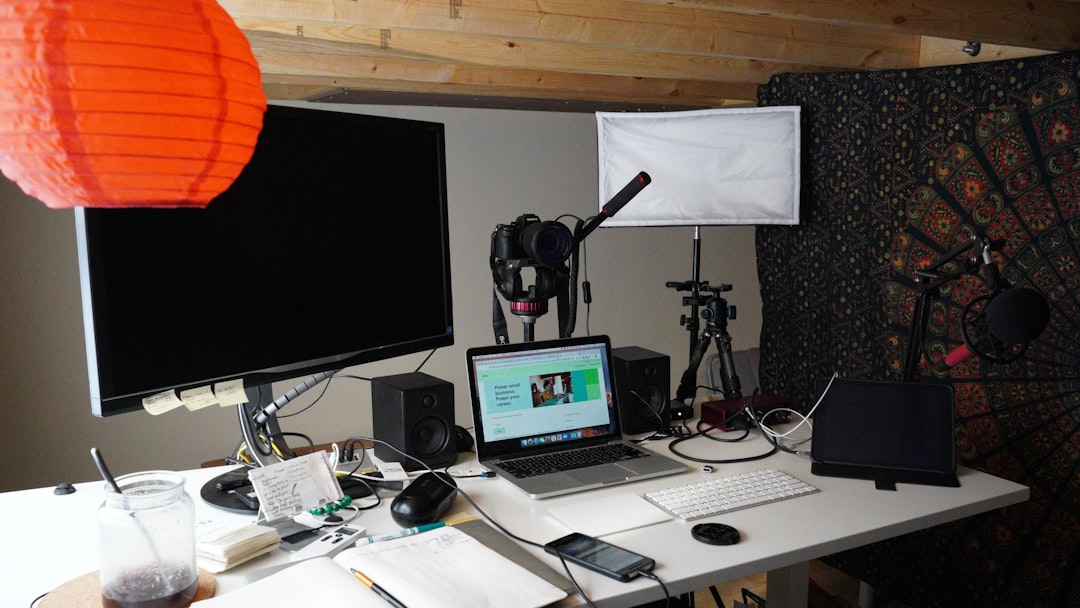
Start by selecting a quiet, well-lit area in your home. Invest in a comfortable chair, a sturdy desk, and ergonomic accessories to support long hours of work. Personalize your workspace with items that inspire you, such as plants, artwork, or motivational quotes. This not only enhances your work environment but also delineates a clear boundary between work and home life.
Consider John, a software developer who transitioned to remote work during the pandemic. Initially, he struggled with distractions until he transformed a spare room into an office. By establishing a professional workspace, he improved his focus and productivity, turning his remote work dream into a sustainable reality.
Another example is Lisa, a freelance writer who initially worked from her kitchen table. She found that the constant interruptions from family members disrupted her workflow. By converting a small attic space into her office, she created a quiet sanctuary that fostered creativity and concentration, significantly enhancing her productivity.
Mastering Time Management and Self-Discipline
One of the most significant challenges of remote work is managing time effectively. Without the structure of a traditional office, it’s easy to fall into the trap of procrastination or overwork. Developing strong time management skills is crucial to thriving in a remote work environment.
Start by creating a daily schedule that outlines your work hours, breaks, and time for personal activities. Use tools like Google Calendar or Trello to organize your tasks and set reminders. Prioritize tasks based on urgency and importance, and tackle high-priority work during your most productive hours.
For instance, Emma, a freelance writer, struggled with meeting deadlines initially. By adopting the Pomodoro Technique—working in focused blocks of time followed by short breaks—she enhanced her productivity and successfully met her deadlines. Her experience highlights the importance of finding a time management strategy that works for you.
Additionally, consider Tom, a project manager who found himself overwhelmed with tasks when he first started working remotely. By using time-blocking techniques to allocate specific hours for meetings, project work, and administrative tasks, Tom was able to streamline his workflow and reduce stress. This approach not only improved his efficiency but also allowed him to maintain a healthier work-life balance.
Leveraging Technology to Stay Connected
Remote work can sometimes lead to feelings of isolation, but technology bridges the gap, keeping teams connected and collaborative. Familiarize yourself with digital tools that facilitate communication and collaboration. Platforms like Slack for instant messaging, Zoom for video conferencing, and Asana for project management are invaluable for remote teams.
Consider the case of TechCorp, a tech startup that transitioned to a fully remote structure. By implementing a suite of digital tools and encouraging regular virtual check-ins, they maintained team cohesion and productivity. This example illustrates how leveraging technology is essential for remote work success.
Furthermore, consider how GlobalConnect, an international consulting firm, uses virtual reality (VR) technology for remote collaboration. By hosting virtual meetings in immersive environments, they provide employees with a more engaging and interactive experience, fostering a sense of presence and connection despite geographical distances. This innovative approach showcases the potential of cutting-edge technology in enhancing remote work dynamics.
Building a Remote Work Network
Networking is not confined to in-person events. Building a strong professional network is equally important in a remote work environment. Engage with online communities, attend virtual conferences, and connect with industry professionals on LinkedIn to expand your network.
Take Lisa, an HR consultant, who actively participates in online HR forums and webinars. Through these platforms, she gained insights, connected with peers, and even landed new clients. Her journey demonstrates how virtual networking can open doors and create opportunities in the remote work landscape.
Moreover, consider the story of Carlos, a software engineer who joined several GitHub and StackOverflow communities. By contributing to open-source projects and engaging in discussions, he not only enhanced his skills but also connected with fellow developers worldwide. These connections led to collaborative projects and freelance opportunities, illustrating the power of virtual networking in expanding professional horizons.
Maintaining Work-Life Balance
One of the primary attractions of remote work is the promise of a better work-life balance. However, without clear boundaries, work can easily spill into personal time. Establishing a healthy balance requires conscious effort and discipline.
Set specific work hours and communicate them to your family and colleagues. When your workday ends, disconnect from work devices and engage in activities that help you unwind, such as reading, exercising, or spending time with loved ones.
James, a graphic designer, initially struggled with maintaining boundaries. By setting a strict 9-to-5 schedule and dedicating evenings to family time, he achieved a harmonious balance between work and personal life. His experience underscores the importance of setting and adhering to boundaries to prevent burnout.
Additionally, consider Anna, a remote customer support agent who found herself constantly checking emails outside work hours. She implemented a digital detox routine by turning off work notifications during weekends and engaging in hobbies like painting and hiking. This practice not only reduced her stress levels but also rejuvenated her creatively, enhancing her overall well-being.
Exploring Remote Work Opportunities
Making your remote work dreams a reality starts with finding the right opportunities. Many companies now offer remote positions, and freelance platforms like Upwork and Fiverr provide avenues for independent work. Tailor your resume to highlight skills relevant to remote work, such as self-motivation, communication, and technical proficiency.
Research companies known for their remote work culture, such as Buffer, Automattic, or GitLab, and explore their career pages for openings. Additionally, networking within online communities can lead to potential job leads and referrals.
Consider the story of Alex, a digital marketer who transitioned from a traditional office job to a remote position with Buffer. By reaching out to industry contacts and showcasing his remote work skills, he successfully landed his dream job. Alex’s journey highlights the importance of proactive job searching and leveraging connections in the remote work landscape.
Furthermore, think about Priya, a software tester who utilized freelance platforms to build her portfolio. By consistently delivering high-quality work and gathering positive reviews, she eventually secured long-term contracts with top tech companies. Priya’s experience demonstrates how persistence and excellence in freelance work can lead to stable remote job opportunities.
Embracing Continuous Learning and Adaptation
The remote work landscape is dynamic, and staying competitive requires continuous learning and adaptation. Invest in online courses and webinars to enhance your skills and stay updated with industry trends. Platforms like Coursera, LinkedIn Learning, and Skillshare offer a wealth of resources for professional development.
For example, Rachel, a virtual assistant, regularly updates her skills by taking courses on project management and digital marketing. This commitment to learning not only improved her expertise but also attracted more clients, solidifying her remote work career.
Additionally, consider Mark, a data analyst who embraced the latest data visualization tools through online workshops. His proactive approach not only kept him at the forefront of industry trends but also made him a valuable asset in his team, leading to career growth and new opportunities.
Actionable Takeaways for Remote Work Success
Making your remote work dreams a reality involves a blend of strategic planning, adaptability, and continuous improvement. Here are some key takeaways to guide your journey:
1. Clarify Your Motivation: Understand why you want to work remotely and align your approach with your personal and professional goals.
2. Create a Dedicated Workspace: Design a home office that fosters productivity and delineates work-life boundaries.
3. Master Time Management: Develop a structured schedule and adopt effective time management techniques to enhance productivity.
4. Leverage Technology: Utilize digital tools to maintain communication and collaboration with your team.
5. Network Virtually: Engage in online communities and virtual events to expand your professional network.
6. Maintain Work-Life Balance: Set clear boundaries between work and personal time to prevent burnout.
7. Explore Opportunities: Actively search for remote work positions and tailor your resume to highlight relevant skills.
8. Commit to Learning: Continuously enhance your skills through online courses and stay updated with industry trends.
By following these steps and remaining adaptable, you can successfully transition from daydreaming about remote work to making it a rewarding reality. Embrace the opportunities that remote work offers and pave the way for a fulfilling professional journey.