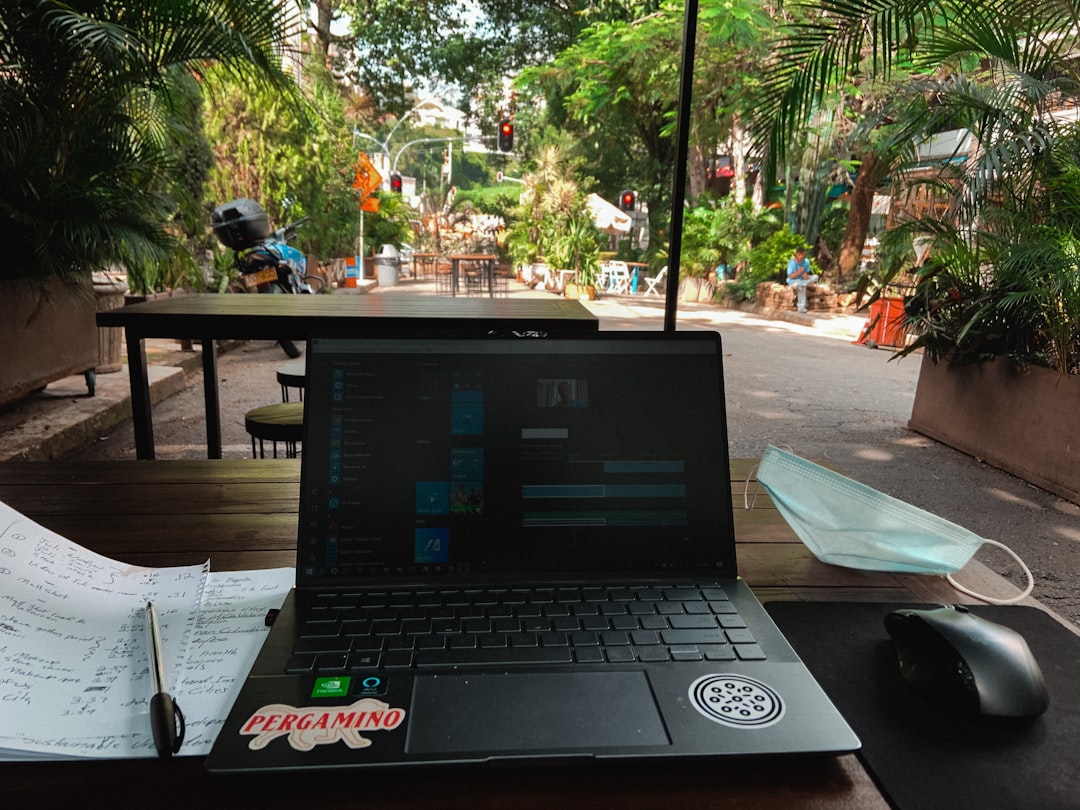
Imagine the gentle rustle of palm leaves swaying in the warm breeze, the distant hum of waves kissing the sandy shore, and the sweet aroma of tropical fruits lingering in the air. Welcome to Thailand—a vibrant paradise that’s more than just a vacation destination. It’s a place where you can escape the monotony of the office cubicle and embrace the freedom of working remotely. With its affordable cost of living, robust digital infrastructure, and an inviting culture, Thailand has become a hotspot for digital nomads seeking both productivity and adventure.
Why Choose Thailand for Remote Work?
Thailand’s allure extends beyond its stunning beaches and rich cultural tapestry. For remote workers, it offers a perfect blend of affordability, modern amenities, and an inspiring environment. The cost of living is significantly lower than in many Western countries, allowing you to enjoy a quality lifestyle without breaking the bank. Whether you’re savoring a bowl of traditional pad thai at a local market or renting a chic condo in a bustling city, your money stretches further here. Additionally, Thailand’s cities like Bangkok and Chiang Mai boast fast internet speeds, making it easier to stay connected and efficient in your work.
For example, consider the cost of living in Chiang Mai, often cited as a digital nomad hub. You can find a comfortable apartment for about $300-500 a month, enjoy meals for less than $5, and get around the city using affordable public transportation or ride-sharing services. This financial freedom allows remote workers to focus more on their work and leisure, rather than worrying about high living costs.
Finding Your Ideal Work Setting
The beauty of working remotely from Thailand is the flexibility to choose your workspace. You might start your morning in a cozy café overlooking the Andaman Sea, then shift to a coworking space with panoramic views of the cityscape. Many remote workers in Thailand find solace in places like Koh Pha Ngan, where yoga retreats and coworking spaces coexist, offering a balance of work and relaxation.
To get started, consider what environment fuels your productivity. Are you inspired by the hustle and bustle of urban life? Bangkok’s numerous coworking spaces, like The Hive or Hubba, offer creative atmospheres and networking opportunities. For those who thrive in tranquility, Chiang Mai offers a slower pace with equally efficient facilities like Punspace or Yellow Coworking.
Real-World Example: The Chiang Mai Experience
Take the example of David, a freelance writer, who found his ideal work setting in Chiang Mai. David initially worked from a café but soon discovered that coworking spaces provided the perfect environment for focus and collaboration. “The vibe in Chiang Mai is very conducive to creativity,” he says. “I often meet fellow writers and entrepreneurs who share insights and ideas, which enriches my own work.”
Navigating Visa Options
Before you pack your bags, it’s crucial to understand Thailand’s visa regulations. Thailand offers several visa options suitable for remote workers, such as the Tourist Visa and the Special Tourist Visa (STV). The Tourist Visa allows a stay of up to 60 days with an option to extend for an additional 30 days. The STV, introduced to boost tourism during the pandemic, permits a stay of up to 90 days, extendable twice for 90 days each.
For long-term stays, consider the Thai Elite Visa, which offers a range of benefits but comes with a hefty price tag. Alternatively, the Education Visa is another viable option if you’re interested in learning Thai language or taking other courses during your stay.
Case Study: Sarah’s Visa Journey
Sarah, a digital marketing consultant, chose the Thai Elite Visa for her long-term stay. “The investment was worth it for me because of the convenience and perks it offers, like expedited immigration processing and access to exclusive services,” she explains. For those looking at shorter stays, Sarah suggests the STV as an affordable and flexible option, especially if you’re testing the waters of remote work in Thailand.
Staying Connected with Technology
Reliable internet is the backbone of remote work, and Thailand doesn’t disappoint. Most urban areas offer high-speed internet, with average speeds suitable for video conferencing and large file uploads. To ensure uninterrupted service, consider investing in a local SIM card with a data plan. Service providers like AIS, DTAC, and TrueMove offer competitive packages that keep you connected wherever you are in the country.
For those concerned about power outages, a common issue in some rural areas, having a backup plan is wise. Portable power banks or even a secondary internet connection can be lifesavers during crucial work hours.
Example: Managing Connectivity in Rural Areas
Tom, a software engineer who moved to a more rural part of Thailand, faced initial challenges with internet reliability. “Investing in a high-quality router and a backup data plan was crucial,” he advises. “Once I had those in place, I could work uninterrupted, even during occasional power cuts.”
Embracing the Culture
Working remotely from Thailand is not just about efficient workflows and picturesque views. It’s an opportunity to immerse yourself in a vibrant culture rich with traditions and hospitality. Engage with locals to learn basic Thai phrases—this can go a long way in forming meaningful connections and enhancing your experience. Participate in local festivals like Songkran, the Thai New Year celebration, or Loi Krathong, where you can release lanterns into the sky.
Adapting to the local lifestyle can also involve embracing the slower pace. Thai culture places a high value on relaxation and living in the moment, which can be a refreshing change if you’re accustomed to the fast-paced Western work culture.
Cultural Immersion: John’s Story
John, a digital strategist, shares his cultural immersion experience: “Learning Thai and participating in local events helped me integrate into the community. The locals appreciate your efforts, and it opens doors to deeper connections and unique experiences.”
Balancing Work and Leisure
One of the greatest advantages of working remotely from Thailand is the ability to blend work with leisure seamlessly. After a day of meetings and deadlines, unwind by exploring Thailand’s rich landscapes and activities. Whether it’s a weekend getaway to the islands, diving in the crystal-clear waters of Koh Tao, or hiking in the lush mountains of Chiang Mai, the options are endless.
To maintain productivity, establish a routine that balances work commitments with leisure. Use tools like Google Calendar or Trello to schedule your tasks efficiently. Allocate specific blocks of time for deep work and ensure you also carve out moments for relaxation and exploration.
Strategy for Balance: Emily’s Insight
Emily, a web developer, found success by creating a structured schedule that incorporated both work and leisure. “I make sure to start my day with a few hours of focused work, then explore the surroundings in the afternoon. This routine keeps me productive and refreshed.”
Real-World Success Stories
Many have successfully transitioned to remote work in Thailand, transforming their lives in the process. Take Sarah, a graphic designer from New York, who moved to Chiang Mai after her company adopted a remote-first policy. She highlights the community support as a key factor in her seamless transition. “The digital nomad community here is incredibly welcoming. Whether it’s sharing a meal or collaborating on projects, there’s always someone to connect with.”
Then there’s Tom, a software developer from Australia who chose Koh Samui for its laid-back vibe. “I wake up to the sound of the ocean, work in a beachfront café, and spend my evenings kayaking. It’s the perfect blend of work and lifestyle,” he shares.
Practical Tips for Success
To make the most of your remote work experience in Thailand, consider these practical tips:
1. Research and Plan: Before you arrive, research your destination thoroughly. Join forums or social media groups dedicated to digital nomads in Thailand to gather insights and tips from those already on the ground.
2. Secure Accommodation: Use platforms like Airbnb, Booking.com, or local Facebook groups to find suitable accommodation. Consider factors like proximity to coworking spaces, internet reliability, and neighborhood safety.
3. Stay Healthy: Ensure you have comprehensive travel insurance that covers health emergencies. Familiarize yourself with local healthcare facilities and keep a list of emergency contacts handy.
4. Budget Wisely: While Thailand is affordable, it’s important to budget your expenses. Use apps like Splitwise to track your spending and ensure you’re saving for those spontaneous trips and experiences.
5. Engage with the Community: Attend events or workshops at coworking spaces to network and learn. Engaging with the community not only enhances your professional network but also enriches your personal experience.
Actionable Takeaways
Working remotely from Thailand offers the chance to redefine your work-life balance. By choosing a location that aligns with your lifestyle and work needs, staying connected with technology, and immersing yourself in the local culture, you can create a fulfilling remote work experience. Remember to navigate visa options carefully and plan your accommodation and budget strategically. Embrace the opportunity to connect with a vibrant community of like-minded individuals and savor the unique blend of productivity and paradise that Thailand offers.
In conclusion, the journey to work remotely from Thailand is more than just a change of scenery. It’s an invitation to enhance your professional life while experiencing the rich tapestry of Thai culture and landscape. Whether you’re drawn to the bustling streets of Bangkok or the serene beaches of Phuket, Thailand welcomes you with open arms to a new way of working and living.


