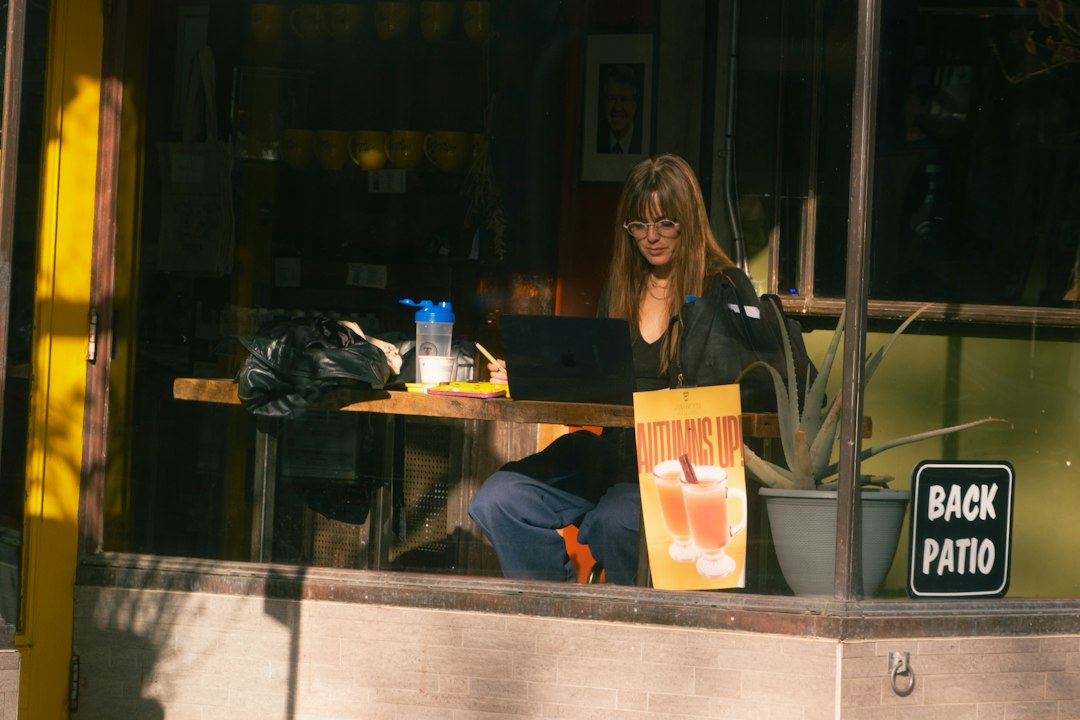
Imagine this: a gentle breeze sways the hammock, the sun peeks through the palm leaves, and the sound of waves provides a soothing backdrop. You're in your element, working remotely as a freelancer. This idyllic setting is no longer just a fantasy for many remote freelancers. But while freelancing from a hammock sounds like the ultimate dream, it's not without its challenges. Understanding the perks and pitfalls of this lifestyle is crucial for anyone considering making the leap.
Embracing Flexibility: The Time Is Yours
One of the most enticing aspects of remote freelancing is the flexibility it offers. Unlike traditional office jobs, you're not bound by a 9-to-5 schedule. This flexibility allows you to work during your most productive hours, whether that's early in the morning or late at night. A study by FlexJobs found that 97% of workers desire some form of remote work, citing flexibility as the primary reason.
However, with great flexibility comes great responsibility. The lack of a structured schedule can lead to procrastination and productivity dips if not managed correctly. It's essential to establish a routine that works best for you. Start by identifying your peak productivity times and set dedicated work hours. Tools like Toggl can help track your time and ensure you're staying on task. Consider setting regular start and end times for your workday to create a sense of normalcy and structure.
To further enhance productivity, incorporate time management techniques such as the Pomodoro Technique, where work is broken into intervals of focused time followed by short breaks. This method not only keeps you on track but encourages regular breaks to maintain mental clarity.
Connectivity Challenges: Wi-Fi Is Your Lifeline
In the digital age, reliable internet is non-negotiable. While working from a hammock on a remote beach sounds appealing, the reality is that connectivity can be a significant hurdle. Many remote locations may not offer stable Wi-Fi, making it challenging to meet deadlines or attend virtual meetings.
To mitigate this, it's wise to invest in a portable Wi-Fi device or a mobile hotspot. Products like the Skyroam Solis provide global Wi-Fi access, ensuring you're always connected. Additionally, researching local co-working spaces or cafes with reliable internet can serve as backup options when your dreamy location falls short on connectivity. Before traveling, check online forums and reviews for the best spots to ensure you're prepared.
Consider having a backup plan for critical tasks that require a stable connection, such as downloading necessary files in advance and scheduling uploads at times when the internet is more reliable. This foresight can prevent disruptions and maintain client trust.
Setting Up Your Workspace: Comfort Meets Portability
Balancing comfort and functionality in a workspace is an art, especially when the office is a hammock. Ergonomics shouldn't be sacrificed for aesthetics. Prolonged periods of working in a hammock may lead to discomfort or even injury. Experts suggest incorporating ergonomic solutions like portable laptop stands and external keyboards to maintain a healthy posture.
Consider investing in lightweight, portable equipment that enhances your work environment. Brands like Roost offer collapsible laptop stands that are perfect for the on-the-go freelancer. Remember, a comfortable workspace boosts productivity and reduces the risk of burnout.
When setting up your workspace, pay attention to lighting and screen glare; natural light can be your friend or foe. Consider using a screen filter to reduce glare and eye strain. A portable battery pack is also a must-have to keep your devices powered throughout the day.
Managing Distractions: Nature's Beauty Can Be Distracting
While freelancing from picturesque locations is a major perk, it's also a double-edged sword. The natural beauty surrounding you can easily become a distraction. Studies indicate that working in visually stimulating environments can either boost creativity or lead to procrastination, depending on the individual's discipline.
To stay focused, set boundaries between work and leisure. Allocate specific times for breaks to explore your surroundings, and use tools like Focus@Will to maintain concentration during work hours. This music-based productivity tool is designed to enhance focus and block out environmental distractions.
If you find yourself getting lost in the scenery, practice disciplined techniques such as the "two-minute rule" where if a task takes less than two minutes, do it immediately to avoid accumulating distractions. Use noise-canceling headphones to create an auditory barrier between you and the ambient sounds that might pull your attention away.
Financial Considerations: Budgeting for the Freelance Lifestyle
Freelancing remotely often means irregular income. While you might save on commuting and workplace attire, there are other costs to consider. Travel expenses, accommodations, and equipment can quickly add up. A survey by Payoneer found that the average freelance income varies widely, with many freelancers experiencing income fluctuations.
To maintain financial stability, create a detailed budget that accounts for all potential expenses. Set aside savings for lean months and consider diversifying your income streams. Platforms like Upwork and Fiverr can connect you with a broad range of clients, helping smooth out income variability.
In addition to budgeting, consider setting financial goals that include retirement savings and emergency funds. Use financial apps that track expenses and income to give you a clearer picture of your financial health. Regularly review your financial plan to adapt to changes in income or expenses.
Health and Well-being: Prioritizing Self-Care
The freedom of freelancing can sometimes lead to neglecting personal health. Without the structure of a traditional office, it's easy to work long hours without breaks. This can lead to burnout and negatively impact mental and physical health.
Experts recommend establishing a self-care routine that includes regular exercise, healthy eating, and mindfulness practices. Incorporate short breaks throughout your day to stretch and relax. Apps like Headspace offer guided meditations that can help manage stress and improve focus.
To promote physical well-being, consider adopting a daily exercise regimen that can be done from anywhere, such as yoga or bodyweight exercises. Drink plenty of water and schedule regular meals to maintain energy levels throughout the day. Don't forget to take mental health days when needed to recharge.
Building a Support Network: You're Not Alone
Freelancing can be isolating, especially when you're miles away from family and friends. The lack of social interaction is a common challenge among remote freelancers. Building a support network is crucial for maintaining emotional well-being and professional growth.
Engage with online communities and forums where freelancers share experiences and advice. Websites like Freelancer's Union offer resources and connect freelancers with like-minded individuals. Attending local meetups or co-working spaces can also provide opportunities for networking and collaboration.
Consider joining virtual coworking sessions where freelancers work together in a shared digital space, offering both structure and social interaction. Participate in webinars and online courses to expand your skills and meet others in your field. These connections can lead to friendships and even new business opportunities.
Mastering Time Zones: The Global Client Challenge
Working with clients across different time zones can be both a blessing and a curse. While it expands your client base, managing time differences can lead to scheduling conflicts and communication delays.
To navigate this, utilize scheduling tools like Calendly to streamline appointment setting across time zones. Communicate clearly with clients about your availability and be mindful of their working hours. This proactive approach ensures smooth collaboration and client satisfaction.
Develop a habit of double-checking time zones before sending meeting invites to avoid confusion. Consider setting your calendar to display multiple time zones if you frequently work with international clients. This simple adjustment can save time and prevent scheduling mishaps.
Conclusion: Taking Action Today
The allure of freelancing from a hammock is undeniable, but it's essential to weigh the perks against the pitfalls. By addressing connectivity challenges, managing distractions, and prioritizing self-care, you can enjoy the freedom and flexibility of remote freelancing without sacrificing productivity or well-being.
Today, take a moment to assess your current work setup and identify areas for improvement. Whether it's investing in portable Wi-Fi, revising your budget, or joining an online community, these actionable steps can enhance your remote freelancing experience. Embrace the journey, and let the world be your office.