Picture this: waking up to the gentle sound of waves crashing on a secluded beach, or perhaps the crisp morning air of a mountain retreat. For many, earning a living while exploring new landscapes and cultures isn't just a dream; it's a reality. The secret lies in finding the right rhythm to generate a remote income that supports a life on the road. This lifestyle isn't limited to a select few. With the right tools and strategies, it's accessible to anyone willing to embrace the flexibility and unpredictability that come with it.
Choosing the Right Remote Work: From Freelancing to Full-Time Roles
The journey begins with selecting the right type of remote work. This isn't always straightforward, as it depends heavily on one's skills, preferences, and desired level of commitment. Freelancing offers unparalleled flexibility, allowing individuals to pick and choose projects that align with their interests and skills. Platforms like Upwork and Fiverr connect freelancers with clients across the globe, offering opportunities in fields ranging from writing and graphic design to programming and marketing.
However, freelancing isn't the only option. Many find stability in remote full-time roles. Companies are increasingly offering positions that allow employees to work from anywhere. Websites like Remote.co and We Work Remotely are valuable resources for finding such opportunities. These roles usually offer a steady paycheck and benefits, though they may require more structured hours than freelancing gigs.
But here's the thing: whether freelancing or a full-time role is better depends on your lifestyle preferences. Freelancers can work at their own pace, but they also must handle the unpredictability of gig availability. Full-time remote roles provide stability but often come with a fixed schedule. Understanding these dynamics is crucial to making an informed decision.
Embracing Digital Tools and Platforms: The Backbone of Remote Work
The backbone of remote work is an arsenal of digital tools and platforms that keep you connected and productive, no matter where you are. Slack and Zoom are staples in maintaining communication with clients and colleagues. They offer seamless interaction, whether you're in a café in Paris or a hostel in Bangkok.
Project management tools like Trello and Asana help in organizing tasks and deadlines, ensuring work remains on track despite time zone differences. And don't overlook file storage and sharing solutions like Google Drive, which are crucial for accessing important documents from anywhere.
But technology isn't always perfect. Connectivity issues can arise, particularly in remote areas. Having a mobile hotspot or a backup internet plan can be a lifesaver, ensuring you're always prepared to meet deadlines. It’s also wise to invest in a reliable laptop and portable power bank, which are essentials for any digital nomad.
Balancing Work and Adventure: The Art of Time Management
Living a life of travel and work requires mastering the art of time management. This balance isn't always easy to achieve. The allure of new experiences can sometimes overshadow professional responsibilities. Creating a structured schedule helps maintain focus. Many find success by setting specific work hours and sticking to them, regardless of the day's distractions.
Time zone differences present another challenge. Scheduling tools like World Time Buddy can help manage meetings and deadlines across multiple time zones. Additionally, setting clear boundaries between work and leisure ensures that neither is compromised.
Consider this: a morning spent exploring local sights can be followed by an afternoon of focused work. This rhythm allows for the enjoyment of travel experiences while maintaining professional commitments. The key is to remain adaptable, ready to adjust plans as needed to accommodate both work and the adventure of travel.
Budgeting for a Nomadic Lifestyle: Costs and Considerations
Financing life on the road requires careful budgeting and planning. It's essential to understand the costs associated with different destinations and to plan accordingly. Southeast Asia, for instance, is known for its affordability, with countries like Thailand and Vietnam offering a high quality of life at a lower cost. In contrast, European destinations may require a more substantial budget.
Accommodation is a significant expense. Many digital nomads opt for longer-term stays in Airbnb rentals or co-living spaces, which can offer discounts and a sense of community. Websites like Nomad List provide insights into the cost of living in various cities, helping travelers plan their budgets efficiently.
But don't forget to budget for unexpected expenses. Travel insurance is a must, protecting against unforeseen medical issues or travel disruptions. Additionally, setting aside a savings buffer can provide peace of mind, allowing for flexibility and spontaneity in travel plans.
Building a Support Network: Online Communities and Meetups
Traveling while working remotely can sometimes feel isolating. Building a support network is crucial to maintaining motivation and well-being. Online communities like Digital Nomad Reddit and Facebook groups offer spaces to connect with like-minded individuals, share experiences, and find advice.
In-person meetups and coworking spaces also foster connections. Many cities with large digital nomad populations host regular events, allowing travelers to network and make friends. Websites like Meetup list events worldwide, providing opportunities to engage with local and nomadic communities alike.
The reality is, having a network of people who understand the unique challenges of a nomadic lifestyle can make all the difference. They provide not only social interaction but also valuable insights and support.
Staying Productive on the Move: Creating an Effective Workspace
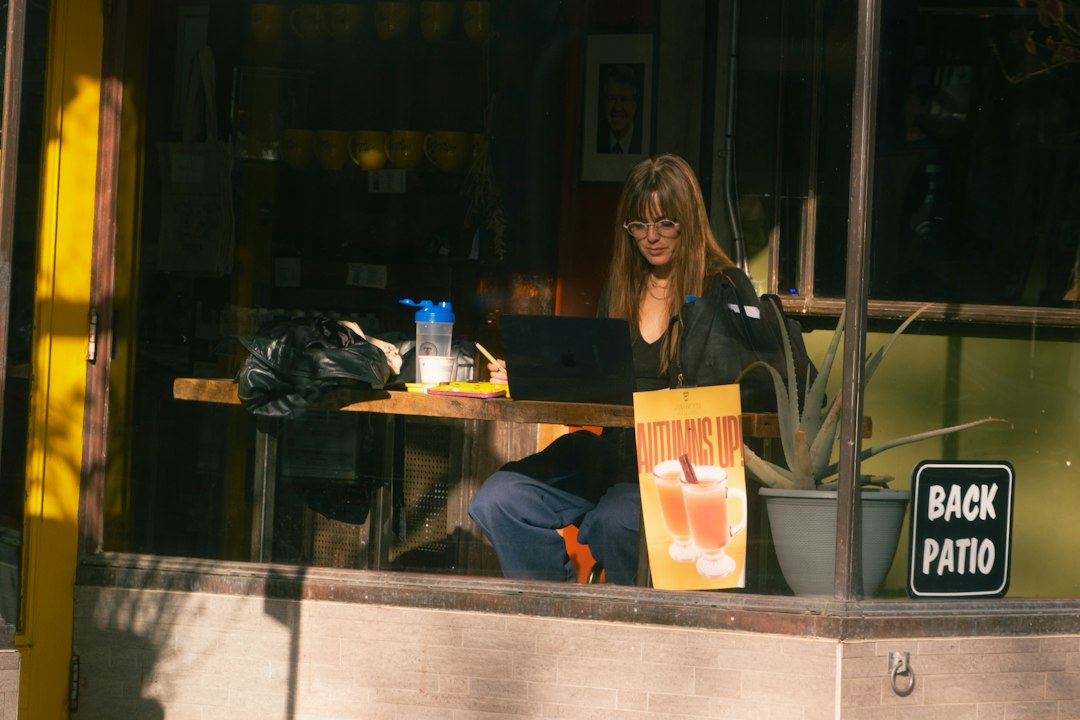
Maintaining productivity while constantly on the move requires setting up an effective workspace, no matter where you are. This might mean working from a cozy café in the morning, followed by a few hours in a coworking space in the afternoon. Coworking spaces offer reliable internet, a professional environment, and often, networking opportunities.
When setting up a temporary workspace, consider ergonomics. A lightweight laptop stand and portable keyboard can transform any table into a comfortable workstation. Noise-cancelling headphones are also invaluable, especially in bustling environments.
Here's a simple tip: designate a specific time and place for work each day. This routine helps mentally separate work from leisure, boosting productivity and focus. And remember, a clutter-free workspace often leads to a clutter-free mind.
Adapting to Cultural Differences: Navigating New Environments
Traveling through different countries exposes you to diverse cultures and customs. Adapting to these differences is part of the adventure, but it can also impact work. Understanding local customs, from meal times to work hours, helps in scheduling meetings and fitting into local life.
Language barriers may present a challenge, but they can often be overcome with translation apps like Google Translate. Learning a few basic phrases in the local language also goes a long way in building rapport.
Respecting cultural differences fosters positive interactions and enriches the travel experience. Plus, it often opens doors to unique opportunities that enhance both personal and professional growth.
Taking Action Now: Steps to Start Your Nomadic Journey
For those inspired to embrace this lifestyle, the first step is to assess skills and interests to determine the best remote work avenue. Explore freelancing platforms or job boards to find suitable opportunities. Next, equip yourself with the necessary tools and technology to ensure seamless work on the road.
It's also wise to plan an initial budget, considering both living expenses and potential travel costs. Research destinations to find those that align with your financial and lifestyle preferences. Building a network through online communities can provide support and advice to ease the transition.
Finally, take the plunge. Start with a short-term trip to test the waters, gradually extending travel durations as confidence and experience grow. Remember, the journey isn’t just about the destination, but also about the freedom and experiences gained along the way.
In conclusion, finding your rhythm and earning a living on the road is more achievable than ever. With the right mindset, tools, and strategies, you can seamlessly integrate work and travel, creating a lifestyle that is as rewarding as it is adventurous. So, why not start today? The world is waiting.