Imagine trading a sprawling suburban home for a space smaller than a two-car garage. For many, this sounds daunting, yet the allure of tiny home living is undeniable. The appeal lies in its simplicity, environmental impact, and, most importantly, the financial freedom it offers. But how does one downsize effectively without giving up comfort? This transformation requires more than just a reduction in square footage—it demands a strategic approach to ensure that the new, smaller space enhances life rather than detracts from it.
The Power of Purposeful Design: Making Every Square Foot Count
Living in a tiny home means every inch must serve a function. Many find that the key to achieving this is through purposeful design. Experts suggest beginning with a clear understanding of your daily needs and lifestyle. For instance, if cooking is a priority, investing in a functional kitchen space is crucial. Opt for multi-functional furniture, such as a sofa that converts into a bed or a table that doubles as storage.
Tiny homes often incorporate vertical storage solutions to maximize space. Consider investing in wall-mounted shelves, hooks, and cabinets that reach up to the ceiling. This not only saves floor space but also keeps the home organized. A well-designed tiny home doesn’t just accommodate; it elevates everyday living.
Budgeting Wisely: How to Avoid Unexpected Costs
The financial benefits of tiny home living are appealing, but it's essential to approach the budgeting process with care. According to a survey conducted by The Tiny Life, the average cost of building a tiny home is between $10,000 and $40,000, depending on materials and labor. However, unforeseen expenses can quickly arise if not planned for.
It's advisable to allocate funds for permits, land acquisition, and utilities. Moreover, customization can add significant costs. To keep expenses in check, many recommend prioritizing what truly matters and where compromises are possible. For example, opting for basic fixtures can save money that can be better spent on high-quality insulation, which will pay off in reduced energy costs over time.
Navigating Legalities and Zoning: What You Need to Know
Embarking on the tiny home journey isn't just about choosing the right design—it's also about navigating the complex web of local laws and regulations. Zoning laws vary significantly from one area to another, and some regions have strict rules about where tiny homes can be located.
Before making any commitments, research local zoning regulations. Some cities have embraced the tiny home movement and offer designated areas for these dwellings. However, others have yet to adapt, posing a challenge for potential tiny home dwellers. Joining local tiny home communities can provide valuable insights and resources to help navigate these complexities.
Essential Amenities: Maintaining Comfort in a Small Space
One of the biggest concerns when downsizing is whether comfort will be sacrificed. But with thoughtful planning, it's entirely possible to retain—or even enhance—comfort in a tiny home. Prioritize essential amenities like efficient heating and cooling systems. Many tiny homes utilize mini-split systems, which are both space-saving and energy-efficient.
Consider the importance of natural light, as it can make a small space feel larger and more inviting. Large windows or strategically placed skylights can transform a cramped area into a bright, open space. Don't forget about plumbing and electricity; investing in reliable systems ensures daily life remains smooth and comfortable.
Decluttering: The Art of Letting Go
Moving into a tiny home requires a significant reduction in personal belongings. This process, though challenging, is often described as liberating. Experts recommend starting months in advance, sorting items into categories: keep, donate, and discard. Many find using apps like Decluttr helpful for selling unwanted items.
This step isn't just about getting rid of things—it's about making conscious decisions about what truly adds value to your life. By the time the move is complete, you’ll likely find that the items you’ve kept are those that truly enhance your daily experience.
Community and Lifestyle: Embracing a New Way of Living
Living in a tiny home often means becoming part of a community of like-minded individuals. These communities can offer support, shared resources, and a sense of belonging. For those who choose to live in a tiny home park, communal amenities such as gardens, workshops, and recreational areas are often available.
The lifestyle shift to tiny home living often leads to a greater appreciation for experiences over possessions. Many find that with fewer belongings to manage, there's more time for hobbies, travel, and relationships. This shift in priorities can lead to a more fulfilling and enriched life.
Financing Your Tiny Home: Exploring Options
Financing a tiny home can be different from traditional home mortgages. While some opt to pay out of pocket, others seek loans specifically designed for tiny homes. Institutions like LightStream offer personal loans that can be used for home construction or purchase.
Another option is to consider a recreational vehicle (RV) loan if your tiny home is built on wheels. These loans often come with lower interest rates but require that the home meets specific criteria. Prospective tiny home owners should explore all available options and choose the one that aligns best with their financial situation.
Energy Efficiency: Small Space, Big Savings
One of the major benefits of tiny home living is the potential for significant energy savings. Tiny homes require less energy to heat and cool due to their smaller size. Installing solar panels can further reduce utility bills and contribute to a sustainable lifestyle.
Insulation plays a crucial role in energy efficiency. High-quality insulation maintains the desired temperature within the home, reducing the need for heating and cooling systems to work overtime. Pairing this with energy-efficient appliances can lead to noticeable savings on monthly utility costs.
Designing for Flexibility: Preparing for Future Needs
Life is full of unexpected changes. Designing a tiny home with flexibility in mind ensures it can adapt to future needs. This might mean installing removable partitions to create additional rooms or choosing furniture that can easily be reconfigured.
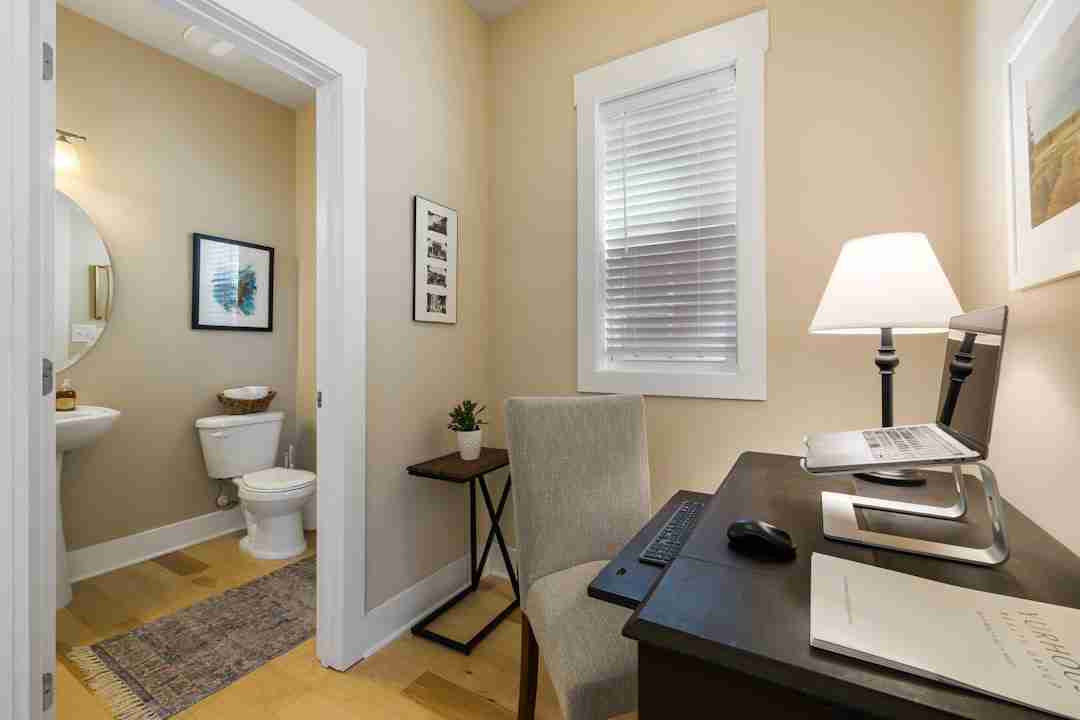
Consider the possibility of telecommuting or remote work. Allocating space for a home office, even if it's just a small desk with a foldable chair, can make a significant difference in productivity. Preparing for these changes in advance ensures that the tiny home remains a comfortable and functional space regardless of life's twists and turns.
Taking the Leap: Moving Day and Beyond
Once the home is ready, it's time to make the move. Many recommend scheduling the move on a day with favorable weather and allowing plenty of time to settle in. Unpacking in a tiny home is different—there's less space to hide clutter, so organization is key from the start.
After the move, it's important to embrace the change. Tiny home living is about more than just a smaller space—it's about a new way of life. Focus on the newfound freedom and possibilities that come with living more simply. By doing so, many find themselves happier, less stressed, and more connected to the world around them.
Embarking on the journey to tiny home living is a bold decision, but with thoughtful planning and execution, it can be a rewarding one. By focusing on design, budgeting, and community, among other factors, you can create a home that’s not only smaller but more fulfilling. Today, consider what steps you can take toward a simpler, more meaningful lifestyle. Whether it’s decluttering your current home or researching local zoning laws, every small step is a move toward the freedom and joy of tiny home living.