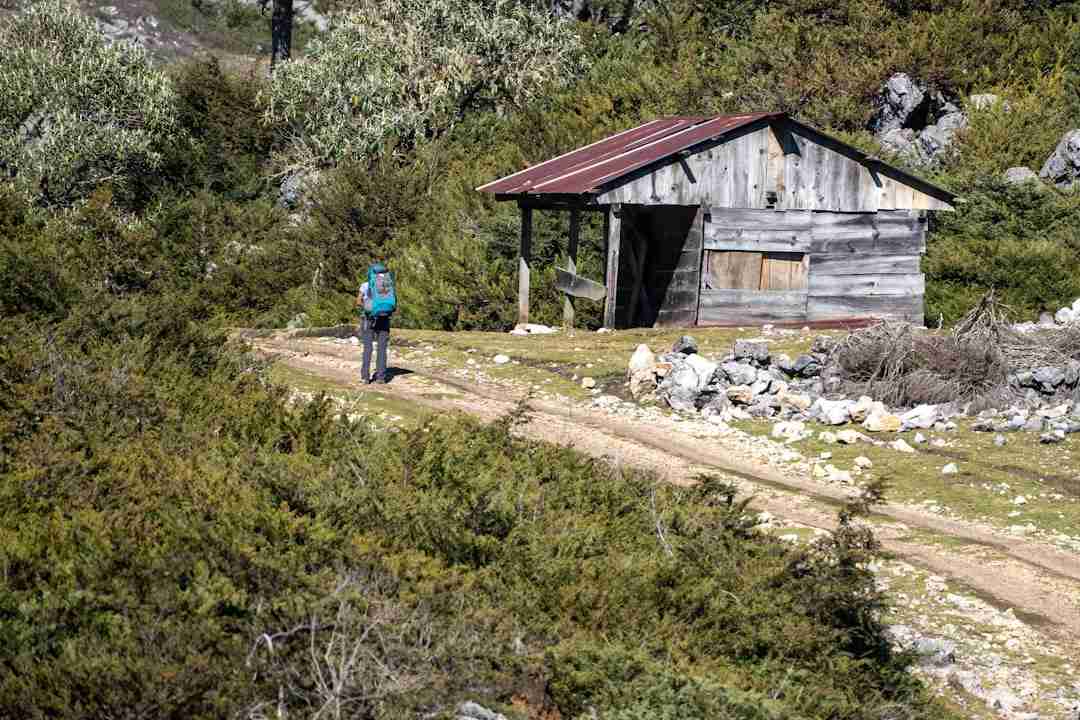
Imagine waking up to the crisp, fresh air of a mountaintop cabin. The only sounds are the rustling leaves and a distant bird call. Yet, from this serene setting, you're about to log into a virtual meeting with colleagues from all over the world. This is the new reality for many who have turned remote work into a thriving career. With the right strategies, a laptop, and a strong internet connection, a cabin in the mountains can be the perfect base for a successful career.
The Rise of Remote Work: 70% of Professionals Now Have the Option
Remote work is more than just a trend; it's a sweeping movement that's changing how work is done globally. Recent studies show that over 70% of professionals now have the option to work remotely at least part-time. This shift opens up opportunities to live in places previously considered too remote for a career. For those who crave the tranquility of nature without sacrificing professional growth, this is a game-changer.
But transitioning from a traditional office job to a remote position isn't always straightforward. It requires careful planning, the right tech setup, and a mindset shift. However, when done correctly, it can lead to a more fulfilling and balanced life. The key is to understand the dynamics of remote work and how to leverage them to your advantage.
Essential Tech Tools: From Satellite Internet to Project Management Apps
Working from a remote cabin requires a robust tech setup. The most critical component is a reliable internet connection. In areas where traditional broadband isn't available, satellite internet services like Starlink have become a viable solution. They offer high-speed internet with global coverage, making it possible to work from even the most secluded locations.
Next, consider project management tools to keep your workflow organized. Apps like Trello and Asana help manage tasks and collaborate with team members effortlessly. These tools not only streamline communication but also ensure that projects stay on track, regardless of where you're working from.
Communication platforms are equally important. Zoom and Microsoft Teams are popular choices for virtual meetings, while Slack offers a streamlined way to keep in touch with colleagues throughout the day. Having these tools at your disposal ensures that you remain connected and productive.
Managing Work-Life Balance: Setting Boundaries and Schedules
One of the biggest challenges of remote work is maintaining a healthy work-life balance. When your home is your office, the lines can easily blur, leading to overwork and burnout. To prevent this, it's crucial to establish clear boundaries and schedules.
Experts suggest setting specific work hours and sticking to them. This includes taking regular breaks and designating a workspace within your cabin. A separate area for work helps mentally distinguish between professional and personal time. Additionally, scheduling time for outdoor activities can enhance creativity and reduce stress, making the most of your natural surroundings.
Another tip is to communicate your schedule to family and friends. This ensures that they respect your working hours and helps establish a rhythm that works for everyone involved. Prioritizing self-care, such as regular exercise and healthy eating, further supports a balanced lifestyle.
Diverse Income Streams: Freelancing, Consulting, and Passive Income
Building a sustainable remote career often involves diversifying income streams. Relying on a single source of income can be risky, especially in uncertain economic times. Many remote workers find success through freelancing, consulting, and passive income opportunities.
Freelancing platforms like Upwork and Fiverr offer a way to connect with clients in need of specific skills, from writing and design to marketing and software development. These platforms provide flexibility and the chance to work on a variety of projects, which can be both financially and professionally rewarding.
Consulting is another viable option for those with specialized expertise. Offering consultancy services allows you to share your knowledge while helping businesses solve problems. This can be done remotely through virtual consultations and workshops.
Passive income streams, such as creating online courses or writing e-books, can also supplement your earnings. Platforms like Teachable or Amazon Kindle Direct Publishing make it easy to share your knowledge with a wider audience. Although these require an initial time investment, they can generate revenue long-term with minimal effort.
Networking from Afar: Building Connections Virtually
Networking is a vital component of any career, and it's entirely possible to build and maintain professional relationships remotely. Virtual networking events, webinars, and online communities provide ample opportunities to connect with others in your field.
LinkedIn remains a powerful tool for networking, offering a platform to engage with industry peers, join groups, and participate in discussions. Regularly updating your profile and sharing insights can increase visibility and attract potential clients or collaborators.
Moreover, attending online conferences and virtual meetups can expand your network and open doors to new opportunities. These events are often more accessible than in-person gatherings, allowing you to connect with professionals worldwide without leaving your mountaintop cabin.
Overcoming Isolation: Staying Connected and Engaged
While the seclusion of a mountain cabin can be appealing, it can also lead to feelings of isolation. Staying connected with others is essential for mental well-being and professional development.
Joining online communities related to your industry or interests can provide a sense of belonging and support. Platforms like Reddit and Discord host numerous groups where you can engage with like-minded individuals, share experiences, and seek advice.
Regular check-ins with colleagues through virtual coffee breaks or informal chats can also help maintain a sense of camaraderie. Scheduling in-person visits to co-working spaces or attending local events when possible can further alleviate the effects of isolation.
Real-Life Example: From Corporate Job to Remote Entrepreneur
Consider the story of Sarah, a marketing professional who transitioned from a corporate job in the city to becoming a remote entrepreneur from her cabin in the Rockies. Tired of the daily commute and longing for a slower pace of life, she decided to make a change.
Sarah utilized online platforms to offer freelance marketing services, quickly building a client base. She also created an online course teaching digital marketing strategies, which became a significant source of passive income. By leveraging her expertise and embracing digital tools, she's now living her dream life, surrounded by nature while maintaining a successful career.
Her story illustrates that with determination and the right resources, it's entirely possible to shift from a traditional office job to a fulfilling remote career, all from the comfort of a remote location.
Actionable Takeaway: Start Today with These Steps
Ready to make the leap to a thriving remote career from a mountaintop cabin? Start by assessing your current skills and identifying how they can be offered remotely. Explore freelancing platforms and consider creating digital products to diversify income streams.
Invest in the necessary technology, such as a reliable internet connection and essential software tools, to ensure a seamless transition. Establish a routine that balances work and personal time, and engage with online communities to stay connected and motivated.
By taking these steps, you're setting the foundation for a career that not only supports your professional goals but also allows you to live in a place that truly inspires you. Why wait? The opportunity to combine work and the tranquility of nature is more attainable than ever.