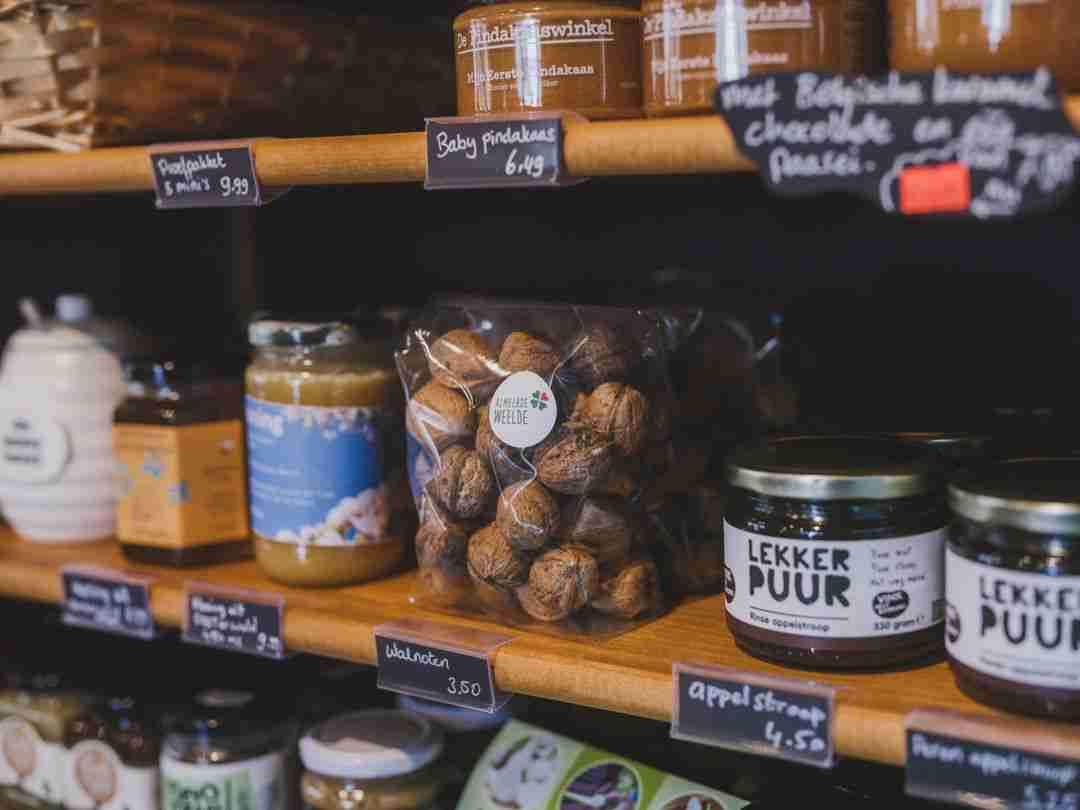
Landing in a foreign country can feel like stepping into a vibrant painting that suddenly comes to life. The colors are different, the sounds are unfamiliar, and even the everyday tasks, like grocery shopping, become mini-adventures. Navigating grocery aisles in a new country isn't just about picking up items; it's an immersion into the culture and lifestyle of the place. Here's how you can adapt effectively and make the most out of your grocery shopping experience abroad.
Understanding Local Produce: Embrace the Seasons
Grocery shopping abroad often introduces one to a diverse range of produce that may not be available back home. Many find that local markets are abundant with fresh, seasonal fruits and vegetables that reflect the country's climate and culinary preferences. For instance, in Italy, it's common to find artichokes and fava beans in spring, while in Japan, persimmons and sweet potatoes are autumn staples.
To make the most of local produce, consider visiting farmers' markets, which are often held weekly. They not only offer fresh options but also provide insight into what's in season. This approach not only enhances your culinary repertoire but also supports local farmers. A useful tool to identify seasonal produce is the Seasonal Food Guide, which can be tailored to different countries.
Moreover, engaging directly with local farmers can uncover the history and traditional uses of certain ingredients, further enriching your experience. For example, a conversation with a vendor might reveal that those vibrant tomatoes are perfect for a traditional salsa recipe or that the aromatic basil is an ideal match for a homemade pesto. Embracing these cultural exchanges deepens your understanding of the local food landscape.
Deciphering Labels: Language and Nutrition
Labels can be a puzzle when shopping in a new country, especially if they're in an unfamiliar language. But learning to decipher these labels is crucial for making informed choices about what you're eating. Many countries have nutrition labels that follow specific guidelines, and understanding these can be a game-changer.
Consider using a translation app like Google Translate to help with basic translations. For example, in France, labels might list "sucre" for sugar, "gras" for fat, and "protéines" for protein. Familiarizing yourself with these terms can help you navigate the aisles more confidently. Some apps even allow you to take pictures of labels and provide instant translations.
Additionally, getting acquainted with local nutritional standards can offer insight into the health priorities of your new country. For instance, Japan emphasizes low-sodium diets, so you might find products labeled with sodium content prominently displayed. Understanding these regional nuances enables you to make healthier choices that align with local dietary norms.
Navigating Dietary Preferences: Vegan, Vegetarian, Gluten-Free
Those with specific dietary preferences or restrictions might find it challenging to locate suitable products abroad. However, many countries have embraced dietary diversity, and options are more available than ever before. In Germany, for instance, vegan and vegetarian products are marked with a 'V' symbol, making them easy to spot.
Research shows that joining local expat communities online can provide valuable insights into where to find specific dietary products. Websites like Meetup can connect you with groups that share similar dietary preferences, offering recommendations and support.
Furthermore, exploring local health food stores can unearth hidden gems tailored to various dietary needs. In places like Australia, dedicated gluten-free sections in supermarkets are common, reflecting a growing awareness and demand for specialized products. Seeking out these niche markets can widen your choices and ensure your dietary needs are met.
Budgeting for Groceries: Cost Variations by Country
The cost of groceries can vary significantly from one country to another. Knowing how to budget effectively is essential to managing your expenses. For instance, while fresh produce might be cheaper in countries like Mexico, processed foods could be more expensive compared to the United States.
Experts suggest setting a grocery budget when moving to a new country. A useful approach is using budgeting apps like YNAB to track expenses and adjust spending habits. These tools can help you keep within your budget while allowing room for occasional splurges on local delicacies.
In addition, familiarizing yourself with local pricing trends can prevent unexpected spending. Understanding that certain items might be more expensive due to import taxes or seasonal availability empowers you to make smarter purchasing decisions. Engaging in conversations with locals about where to find the best deals can also uncover cost-saving tips, such as which markets offer discounts at the end of the day.
Exploring Local Brands: Beyond the Familiar
Adapting to new grocery aisles means moving beyond familiar brands and embracing local products. This can be both exciting and daunting, but it's an integral part of the experience. In countries like South Korea, local snacks and instant foods often reflect unique flavors like kimchi or gochujang, offering an authentic taste of the culture.
Many find that trying local brands can lead to delightful discoveries. Consider setting a goal to try one new local product each week. This not only broadens your culinary horizons but also deepens your connection with the local culture.
When you venture into the realm of local brands, you also support regional economies and sustainable practices. Many local companies prioritize eco-friendly packaging and ethical sourcing, aligning with global trends towards conscious consumption. Embracing these products enables you to contribute positively to the community while enjoying new flavors.
Payment Methods: Cash, Cards, and Digital Wallets
Payment methods can differ widely across countries. While some places still rely heavily on cash transactions, others have transitioned to digital payments. In Sweden, for example, cash is rarely used, and mobile payment apps like Swish are popular.
Before embarking on a grocery shopping trip, familiarize yourself with the common payment methods in your new country. Having a local bank account or a digital wallet such as Revolut can make transactions smoother and often cheaper due to favorable exchange rates.
Exploring local financial products, such as loyalty programs or store cards, can also offer discounts and rewards. Many grocery chains have their own apps that provide exclusive offers or points systems, encouraging repeat purchases and loyalty. Leveraging these can result in significant savings over time.
Cultural Etiquette: Shopping Etiquette in Different Cultures
Shopping etiquette can vary dramatically from one culture to another. In Japan, for instance, there's a strong emphasis on cleanliness and order, with shoppers expected to bag their groceries carefully and efficiently. In contrast, in some Middle Eastern countries, bargaining is a common practice in local markets.
Understanding these nuances can enhance your shopping experience and foster better interactions with locals. Observing and emulating local shoppers is often the best way to assimilate, but don't hesitate to ask for guidance if needed.
Moreover, being aware of cultural norms regarding customer service can affect your experience positively. In many Western countries, it's customary for cashiers to engage in small talk, while in others, efficiency and speed are prioritized over pleasantries. Adapting to these expectations can make your shopping trips more pleasant and culturally enriching.
Leveraging Technology: Apps and Online Grocery Shopping
Technology has revolutionized the way people shop for groceries, with many countries offering robust online shopping options. This is especially beneficial for those who find the local grocery aisles overwhelming. Services like Instacart in the United States or Ocado in the UK provide home delivery, making it easier to access a wide range of products without the hassle.
Using grocery shopping apps can also help in comparing prices, finding discounts, and ensuring you don’t forget essential items. These tools can be particularly useful when adapting to a new grocery shopping environment.
In addition, some apps cater specifically to international shoppers, offering multi-language support and tailored recommendations based on your preferences. Exploring these options can simplify the transition into a new shopping landscape and provide a sense of comfort and familiarity.
Adapting Recipes: Cooking with New Ingredients
Cooking with unfamiliar ingredients can be both challenging and rewarding. It's an opportunity to experiment with new flavors and adapt cherished recipes. Many expats find that incorporating local ingredients into familiar recipes results in delicious surprises.
Consider researching traditional recipes from your new country and blending them with your culinary favorites. This fusion can lead to innovative dishes that reflect both your roots and your new home.
Engaging with local cooking classes or workshops can also enhance your skills and confidence in using new ingredients. Many communities offer classes that introduce traditional cooking techniques and dishes, providing hands-on experience and a deeper appreciation for the local cuisine. These experiences not only expand your culinary repertoire but also offer a delightful way to meet people and immerse yourself in the culture.
Adapting to grocery aisles in a new country is more than a task; it's an adventure. By embracing local produce, understanding labels, and exploring local brands, you enrich your experience and deepen your connection to the culture. Whether you're navigating dietary preferences, budgeting, or leveraging technology, each shopping trip becomes a step towards feeling at home in a foreign land. Start today by embracing the unfamiliar, and watch as it gradually becomes a cherished part of your everyday life.