Get Smart with Housing
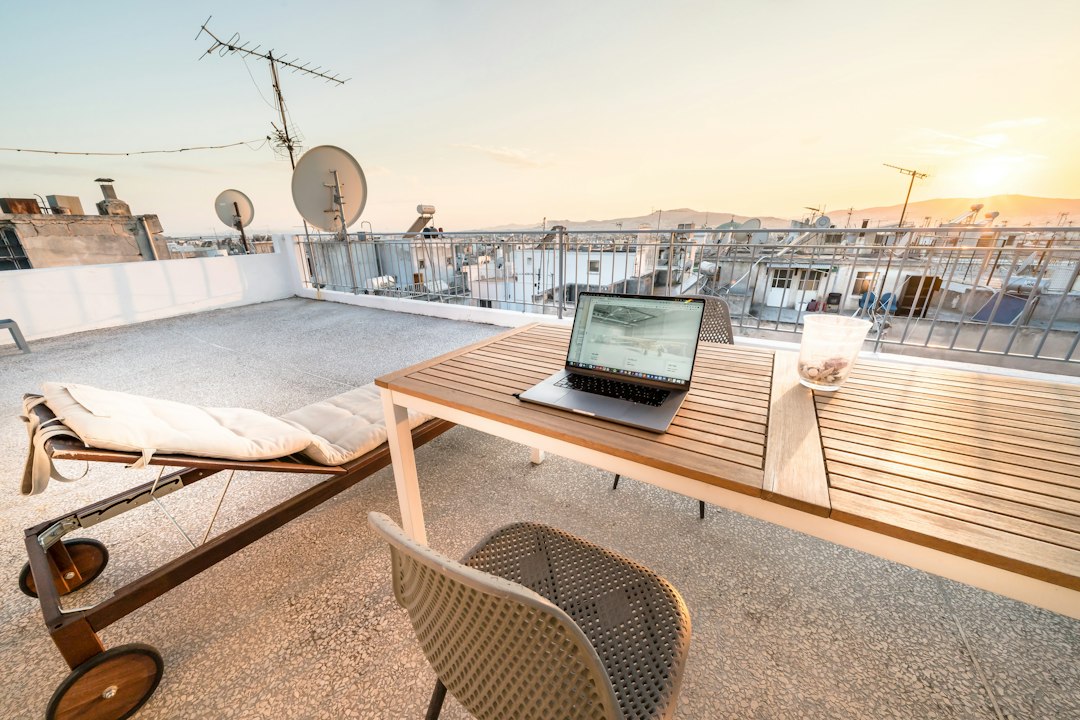
One of the most significant expenses when moving abroad is housing. Many assume living in the city center is essential to fully experience a new place, but this can be a financial pitfall. By choosing to live in nearby neighborhoods, you can save significantly on rent. For example, when I moved to Paris, I initially considered an apartment in the 1st arrondissement, right in the heart of the city. However, after some research, I found a charming place in Montreuil, just a short metro ride away. Not only was the rent considerably cheaper, but I also discovered a more authentic Parisian lifestyle, away from the tourist crowds.
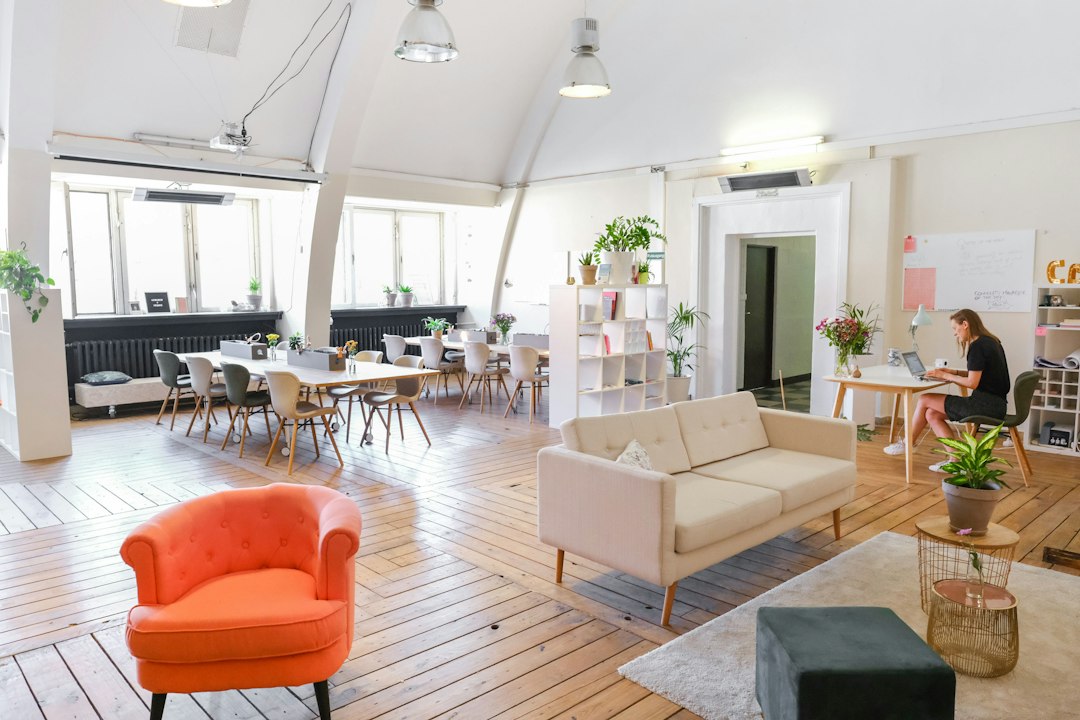
Shared housing is another fantastic way to cut costs. It may not sound appealing at first, but living with roommates can significantly reduce your expenses and enrich your experience. In Berlin, a friend of mine found a room in a shared flat through a website called WG-Gesucht. Not only did she save on rent, but she also met people who helped her navigate the city’s hidden gems, from underground art galleries to the best currywurst stands.
Embrace Local Cuisine
Dining out in a foreign country can be a delightful experience, yet it can also strain your budget if not approached wisely. Embracing local cuisine is a smart strategy to manage expenses. Local markets often offer fresh produce and locally sourced ingredients at a fraction of the cost of imported goods. During my stay in Thailand, I initially missed Western comfort foods, but I soon found that indulging in local street food was not only economical but also a cultural adventure. For the price of a coffee back home, I enjoyed a meal of Pad Thai from a street vendor that was both flavorful and filling.
Cooking at home can further enhance your savings. In Spain, for instance, I took on the challenge of making a traditional Spanish tortilla. With potatoes and eggs from the local market, I created a dish that was both delicious and budget-friendly. This not only saved money but also allowed me to appreciate the local flavors and cooking techniques.
Master Public Transportation
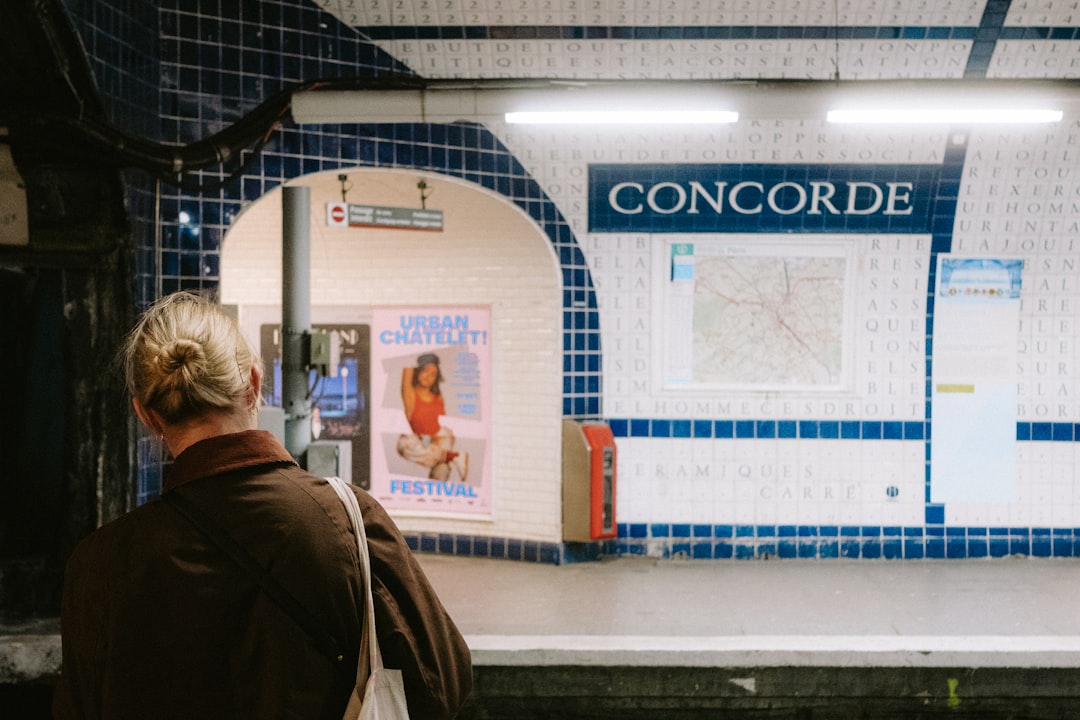
Owning a car abroad can be a costly endeavor, with expenses including maintenance, insurance, and parking. Public transportation, on the other hand, is generally more affordable and efficient. Cities like Tokyo and Paris boast extensive transit systems that can take you almost anywhere in the city. In Tokyo, a prepaid Suica card allowed me to seamlessly navigate the city’s intricate train network, while in Paris, the Navigo pass offered unlimited travel on the metro, buses, and trams.
For those who prefer a more active lifestyle, cycling is a fantastic option. Cities like Amsterdam are designed with cyclists in mind, featuring an extensive network of bike lanes. When I lived in Copenhagen, I embraced biking as my primary mode of transport. Not only did it save money, but it also allowed me to discover hidden corners of the city, like the charming canals and quaint cafes that aren’t always in the tourist guides.
Don’t Forget About Health Insurance
Health insurance is an essential consideration when moving abroad. While it might be tempting to skimp on this expense, it’s crucial to be prepared for unforeseen medical emergencies. Start by checking if your home country has any health agreements with your new country. For example, European Union citizens benefit from the European Health Insurance Card (EHIC), which provides access to healthcare in other EU countries at reduced costs or sometimes for free.
If no such agreements exist, explore local insurance options. In Germany, for example, expatriates can access public health insurance known as “Gesetzliche Krankenversicherung” or opt for private insurance, depending on their needs and residency status. While international plans might seem convenient, they’re often pricier than local options. By investing in the right coverage, you secure peace of mind, knowing you’re protected in case of illness or injury.
Learn the Language (Just Enough)
While learning a new language fluently is a daunting task, acquiring basic language skills can open doors to better deals and local experiences. In many countries, making an effort to speak the local language is appreciated and can even result in discounts or insider tips. During my time in Italy, I learned enough Italian to order food, ask for directions, and engage in simple conversations. This effort often led to friendly exchanges, unexpected discounts, and valuable recommendations from locals.
Numerous free or low-cost resources can help you learn essential phrases. Apps like Duolingo and Memrise offer language lessons tailored to specific needs, while platforms like Meetup host language exchange events where you can practice speaking with locals. Embracing the local language enhances your cultural experience and can save you money in the long run.
Entertainment Doesn’t Have to Break the Bank
Exploring a new city doesn’t have to be an expensive endeavor. While famous tourist attractions are tempting, they often come with hefty price tags. Instead, consider free or low-cost activities that offer authentic cultural experiences. Local parks, festivals, and community events provide opportunities to engage with the culture and meet locals.
For example, when I lived in Barcelona, I attended the annual Festa Major de Gràcia, a week-long neighborhood festival featuring colorful street decorations, live music, and traditional Catalan dances. The best part? It was entirely free. many cities offer discounted or free admission to museums and galleries on specific days. In London, the British Museum and the National Gallery are free to enter, offering world-class art and history without the expense.
The Part Nobody Mentions: Banking and Fees
Banking fees are a sneaky way for your money to disappear when living abroad. Foreign transaction fees, ATM charges, and unfavorable exchange rates can quickly add up. To avoid this, consider opening a local bank account to minimize these fees. Many banks offer accounts specifically for expatriates, which can help you save on transactions.
financial apps like Wise (formerly TransferWise) and Revolut provide competitive exchange rates and lower fees for international transfers. They allow you to hold multiple currencies in a single account, making it easier to manage your finances across borders. Being proactive about your banking options can save you a significant amount of money over time.
The Balance of Saving and Living
While it’s essential to manage your expenses, it’s equally important not to become overly frugal at the expense of your experience. The purpose of living abroad is to immerse yourself in a new culture, meet new people, and create lasting memories. Occasionally splurging on a concert ticket, a guided tour, or a weekend getaway is perfectly acceptable and can enrich your experience.
For instance, during my stay in Japan, I decided to splurge on a weekend trip to Kyoto, a city rich in history and culture. The trip was a highlight of my time abroad, offering insights into traditional Japanese culture that I wouldn’t have experienced otherwise. It’s about finding a balance between being financially responsible and embracing the opportunities that come your way.
living abroad is an incredible journey filled with unique experiences and challenges. By being savvy and resourceful, you can manage your living costs without sacrificing the richness of the experience. Embrace the adventure, make smart financial choices, and enjoy every moment of your new life overseas. Cheers to your next adventure!