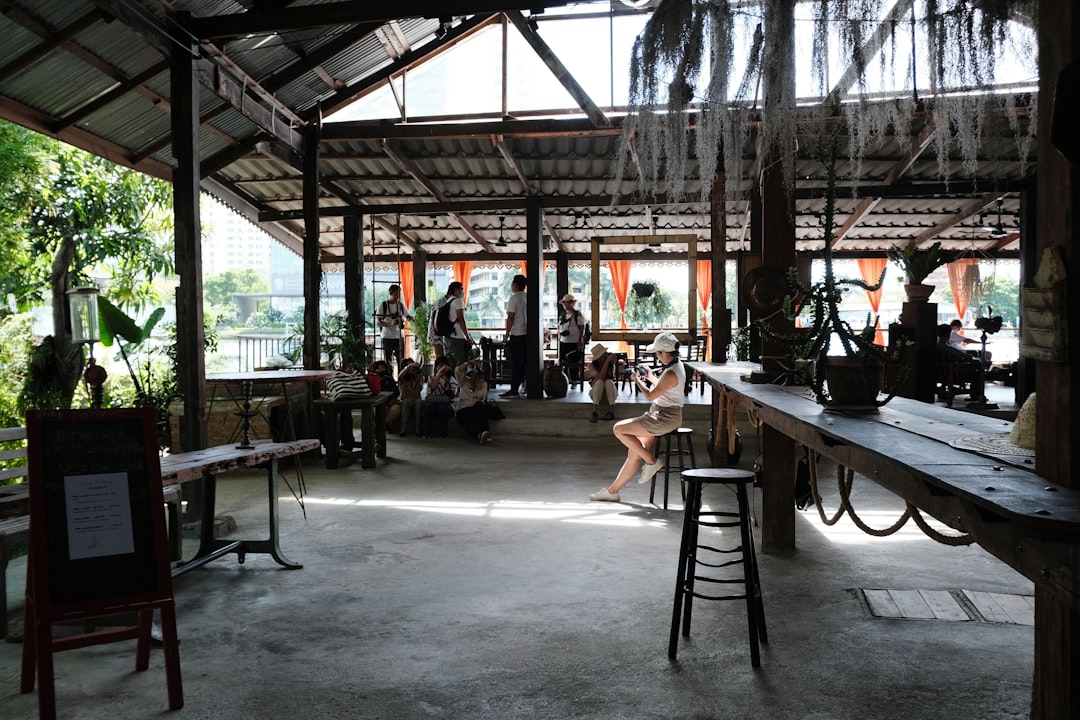
Imagine waking up to the gentle rustling of palm trees, the distant sound of waves crashing against a pristine shore, and the enticing aroma of freshly brewed coffee wafting through the air. This idyllic scene is a daily reality for many expats who have decided to make Thailand their home. Moving to Thailand can seem like a dream come true, but it’s essential to arm yourself with the right information before making such a life-changing decision. While the allure of sandy beaches and vibrant street markets is undeniable, understanding the intricacies of relocating to this Southeast Asian gem can make the transition smoother and more rewarding.
Embracing the Culture Shock
Thailand, known as the “Land of Smiles,” is famous for its friendly locals and rich cultural heritage. However, moving to Thailand from a Western country can come with its fair share of culture shock. It’s not just about learning a new language or navigating a different cuisine; it’s about adapting to a fundamentally different way of life. The Thai concept of “sanuk,” or finding joy in everyday activities, permeates all aspects of life here. This means that things might move at a pace slower than you’re used to, and patience becomes a virtue.
One effective strategy to embrace the culture shock is to immerse yourself in local customs and traditions. Attend local festivals, such as Songkran (the Thai New Year) or Loy Krathong, where you can participate in time-honored rituals and connect with locals. For instance, during Songkran, you might find yourself in the midst of a nation-wide water fight, symbolizing the washing away of the past year’s misfortunes. Similarly, Loy Krathong involves floating beautifully decorated baskets on water bodies, an act that is both visually stunning and spiritually uplifting.
Additionally, learning basic Thai phrases can go a long way in breaking the ice and showing respect for the culture. Apps like Duolingo and language exchange meetups can be invaluable resources for picking up the language quickly. Real-life testimonies from expats reveal that even a simple “sawasdee” (hello) or “khob khun” (thank you) can open doors to friendships and make daily interactions more pleasant.
Navigating the Visa Maze
Before packing your bags, understanding the visa requirements is crucial. Thailand offers several types of visas that cater to different needs, whether you’re planning to retire, work, or simply enjoy an extended stay. The most common visa for long-term stays is the Non-Immigrant Visa, which can be extended based on your purpose, such as retirement (O-A Visa) or business (B Visa).
For instance, if you’re planning to retire in Thailand, the O-A Visa requires applicants to be at least 50 years old and meet financial requirements, such as a specific monthly income or savings in a Thai bank. An example of this is John, a 55-year-old retiree from the UK, who chose to settle in Chiang Mai. He carefully navigated the visa application process by consulting the Thai embassy in London, ensuring he met all financial stipulations well in advance.
Once in Thailand, the process of extending your stay involves navigating the Thai immigration system, which can be bureaucratic and time-consuming. Engaging a local visa service can simplify the process, offering assistance with paperwork and helping you understand the nuances of Thai immigration laws. Sarah, an American expat who moved to Bangkok for work, found that hiring a local immigration lawyer saved her time and minimized stress during her visa extension process.
Finding Your Perfect Home
When moving to Thailand, one of the first tasks is finding a place to live. Thailand offers a wide range of housing options, from luxurious beachside villas to affordable city apartments. The key is to determine what suits your lifestyle and budget best.
Bangkok, the bustling capital, offers a cosmopolitan lifestyle with its skyscrapers and vibrant nightlife. Conversely, cities like Chiang Mai provide a more laid-back atmosphere with a strong sense of community. If you’re drawn to the ocean, the islands of Phuket or Koh Samui might be more appealing. Jenny, a digital nomad from Australia, initially rented an apartment in Bangkok but later moved to Koh Samui, attracted by the island’s serene beaches and slower pace of life.
A practical tip is to rent before you buy. This gives you the flexibility to explore different areas and decide what feels right without a long-term commitment. Websites like DDproperty and Thai Apartment are excellent resources for finding listings. Moreover, connecting with expatriate communities online can provide insights and recommendations on the best neighborhoods. For example, Mark, a Canadian entrepreneur, used local Facebook groups to gather firsthand reviews about different districts in Chiang Mai before deciding where to settle.
Managing Your Finances
Understanding the financial landscape is essential when moving to Thailand. The cost of living can be significantly lower than in Western countries, but it varies depending on location and lifestyle. For example, living in Bangkok or a tourist-heavy area can be more expensive than in rural towns.
Opening a Thai bank account should be one of your first steps. Banks like Bangkok Bank and Kasikorn Bank offer accounts tailored for expatriates. Jane, a freelance graphic designer from New Zealand, found that having a local account simplified her financial dealings, from paying bills to receiving payments from international clients. Having a local account simplifies transactions, especially when dealing with bills and rental payments. It’s also beneficial to familiarize yourself with Thailand’s tax laws, particularly if you plan to work or start a business.
For day-to-day expenses, cash remains king in Thailand, although credit card acceptance is increasing. Mobile payment apps like PromptPay are becoming popular, and having a local SIM card can facilitate easy access to these services. Tim, an expat living in Phuket, noted that using PromptPay not only made transactions smoother but also often led to discounts at local shops and restaurants.
Staying Healthy and Safe
Thailand boasts a robust healthcare system, with both public and private hospitals offering high-quality services. However, health insurance is a must-have to avoid exorbitant medical fees, especially at private facilities. Companies like Cigna and Bupa provide comprehensive health insurance plans tailored for expats.
It’s also wise to familiarize yourself with common health concerns in Thailand, such as dengue fever and air pollution, especially in urban areas and during certain seasons. Simple precautions, like using mosquito repellent and wearing masks on high pollution days, can mitigate these risks. Emily, an expat teacher in Bangkok, emphasized the importance of regular health check-ups and vaccinations, which helped her stay healthy during her stay.
Safety-wise, Thailand is generally a safe country, but like anywhere, it requires common sense and vigilance. Understanding local laws, respecting cultural norms, and staying informed about travel advisories can help ensure a safe and pleasant stay. David, an expat who has lived in Thailand for over a decade, advises newcomers to always keep updated on local news and to be aware of their surroundings, especially in crowded places.
Building a Community
Moving to a new country can be daunting, especially when it comes to building a social network. Fortunately, Thailand has a vibrant expat community with numerous clubs and social groups catering to various interests. Joining online forums or local Facebook groups is an excellent way to meet like-minded individuals and share experiences.
Volunteering is another avenue to connect with both locals and expats while giving back to the community. Whether it’s teaching English or participating in environmental conservation projects, volunteering can provide a sense of purpose and belonging. Lucy, an expat from South Africa, found a rewarding experience volunteering at a local animal shelter in Chiang Mai, which also helped her make lifelong friends.
Embracing the Thai Lifestyle
Living in Thailand offers the unique opportunity to embrace a lifestyle centered around balance and enjoyment. Thai cuisine, famous for its bold flavors and fresh ingredients, is a culinary adventure waiting to be explored. Taking a cooking class can deepen your appreciation for Thai food and provide practical skills to recreate your favorite dishes at home. Michael, a food enthusiast from Canada, took a cooking class in Bangkok and now regularly hosts Thai-themed dinner parties for his expat friends.
Additionally, Thailand is a wellness haven, offering everything from traditional Thai massages to yoga retreats. Incorporating these practices into your routine can enhance your well-being and help you adapt to the slower pace of life. Sophia, a yoga instructor from Germany, moved to Thailand specifically to immerse herself in this wellness culture, and she now runs a successful yoga retreat in Koh Phangan.
Actionable Takeaways for a Smooth Transition
– Research Thoroughly: Before moving to Thailand, immerse yourself in research. Understand the visa requirements, cost of living, and cultural differences. Online forums and expat groups can offer invaluable firsthand experiences.
– Learn Basic Thai: While many Thais speak English, learning basic Thai phrases shows respect and can significantly enhance your interactions.
– Secure Health Insurance: Ensure you have comprehensive health insurance to cover any medical needs, factoring in both routine care and emergencies.
– Explore Housing Options: Rent a place initially to explore different neighborhoods and find where you feel most comfortable. Use reputable websites and consider advice from expats.
– Build a Social Network: Engage with local communities through social media groups or by joining clubs. This network provides support and makes the transition smoother.
– Stay Informed and Safe: Regularly check travel advisories and stay informed about local laws and customs to ensure your safety and well-being.
Moving to Thailand can be a fulfilling adventure, offering the chance to explore a rich culture, enjoy stunning landscapes, and embrace a new way of life. By taking the time to understand the nuances of Thai living, you can ensure a seamless transition and truly live the dream in this beautiful country.
This expansion provides detailed examples and practical steps, ensuring the content is comprehensive and actionable for anyone considering a move to Thailand.