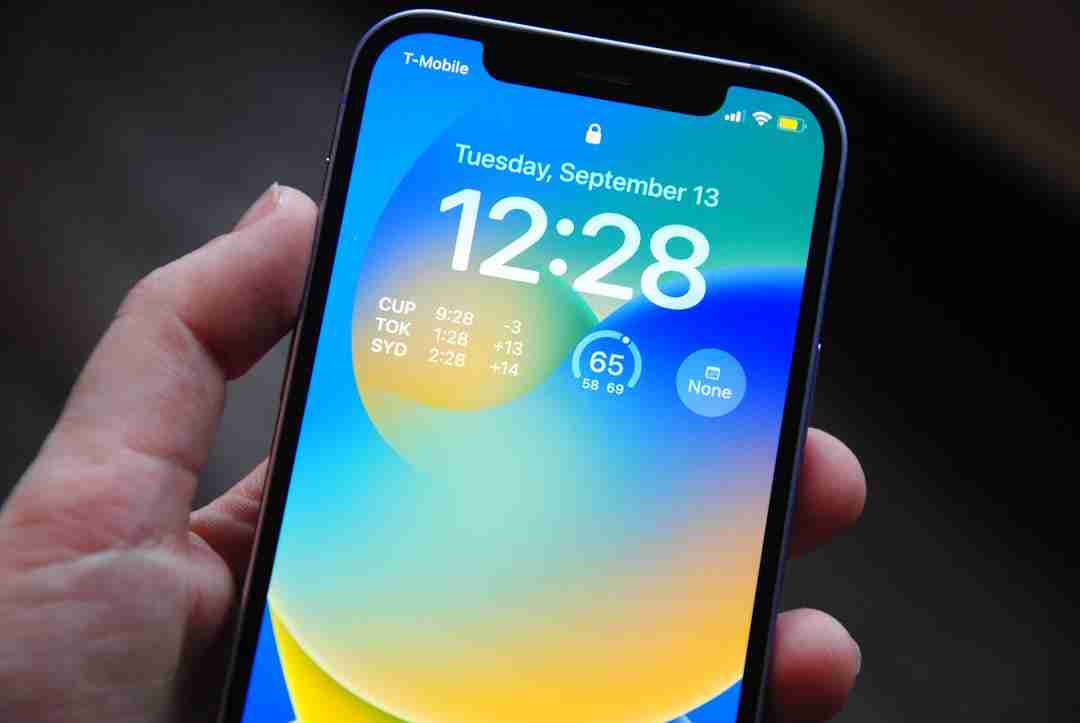
Suddenly, your phone dings at 2 a.m., and it's not an emergency—it's your family group chat buzzing with updates. Living abroad can feel like being in two places at once, especially when time zones create a constant tug-of-war between your new life and connections back home. The challenge is real, but with some planning and tech-savvy tools, you can adjust without losing your sanity.
Time Zone Apps: Your New Best Friend
When living abroad, having a reliable time zone converter becomes crucial. Apps like TimeBuddy and World Clock are lifesavers. They help you coordinate meetings, calls, and social events without the headache of mental calculations. By inputting multiple locations, you can easily see overlapping hours when everyone is awake and available.
Consider setting up a world clock on your smartphone or computer desktop. This small step can prevent scheduling mishaps and ensure you're not calling your boss or your mom at ungodly hours. Many find that setting reminders or alarms for important calls can also be effective in managing these time differences.
For instance, if you're working with colleagues across the globe, setting up automatic reminders for meetings can help keep everyone on track. This is especially useful when multiple countries are involved, each with their own holidays and working hours.
Morning Coffee or Midnight Snack? Adjusting Your Routine
Adjusting to a new time zone often means reshuffling your daily habits. The body’s internal clock, or circadian rhythm, might resist at first, but research shows it adapts over time. Start by gradually adjusting your sleep schedule a few days before your move. This could mean going to bed an hour earlier or later each day.
Once in your new location, expose yourself to natural light as much as possible. Sunlight plays a crucial role in regulating sleep patterns. If you're moving several time zones away, consider using melatonin supplements as a temporary aid. They help reset your internal clock and are widely recommended for jet lag.
Meal times also might need a tweak. If you're used to a midday lunch, but your new work schedule dictates a later break, try to ease into this transition. Start by having light snacks at your usual time and gradually shift to the new schedule. This can help your stomach adjust without the discomfort of a sudden change.
It's also worth experimenting with your diet. Some find that a high-protein breakfast can help wake them up, while others may benefit from a carb-rich dinner to aid sleep. Listening to your body's cues is essential in finding a routine that works for you.
Work-Life Balance: Keeping the Peace
Balancing work commitments with personal life can be challenging enough in your home country. Add a time zone change, and it becomes even trickier. Professionals note that setting clear boundaries is essential. Communicate your availability to colleagues and loved ones, and stick to it.
For those working remotely, tools like Notion and Trello can be invaluable. These platforms allow for task management and collaboration across different time zones, ensuring everyone is on the same page. Scheduling 'Do Not Disturb' hours on communication apps like Slack can help maintain a healthy work-life balance.
Another strategy involves batching similar tasks together. For instance, reserve mornings for deep work and afternoons for meetings or administrative tasks. By organizing your day this way, you can maximize productivity and minimize stress.
It's also beneficial to have a dedicated workspace free from distractions. This not only helps in keeping focus during work hours but also in mentally switching off once the day is done, reinforcing those boundaries between professional and personal time.
Social Connections: Staying in Touch
Maintaining relationships with friends and family back home is important, but differing time zones can make it challenging. Many find success in establishing regular communication slots. This might mean a weekly call every Sunday morning or a mid-week video chat during lunch breaks.
Using platforms like Zoom or Skype can make these interactions more engaging than a simple phone call. Consider sharing a virtual meal or watching a movie together online through services like Netflix Party, which allows for synchronized viewing and chatting.
It's also beneficial to keep everyone updated on your schedule. Share your availability through shared calendars or apps like Google Calendar. This helps loved ones know when it's a good time to reach out, reducing the chances of missed connections.
To make these connections more meaningful, think about sending physical letters or care packages. Receiving something tangible can bridge the emotional distance, providing a personal touch that digital communication often lacks.
Health and Fitness: Keeping Your Body in Sync
Adapting to a new time zone affects more than just your sleep—your overall well-being can take a hit too. A regular exercise routine can help your body adjust to a new schedule. Whether it's a morning jog or an evening yoga session, staying active is key.
Experts suggest finding a local gym or fitness class to help establish a routine. Not only does this promote physical health, but it also provides an opportunity to meet new people in your area. If a gym isn't your thing, there are countless online resources, like Fitness Blender, offering free workouts you can do at home.
Nutrition also plays a role. Eating a balanced diet helps maintain energy levels and keep you feeling your best. Pay attention to how your body responds to new foods and meal timings, adjusting as necessary.
Consider trying local health practices, such as tai chi or meditation, which can enhance your adaptability to the new environment. These practices often come with the added benefit of cultural learning and personal growth.
Cultural Immersion: Making the Most of Your New Home
Learning to navigate a new culture is one of the most rewarding aspects of living abroad. But it can also be overwhelming. Embrace this opportunity by participating in local events or joining expat groups. Websites like Meetup offer countless ways to connect with locals and fellow expats alike.
Language barriers can be daunting, but they're also a chance to learn something new. Many find that taking language classes accelerates the adjustment process. Apps like Duolingo can be useful for beginners, offering bite-sized lessons that fit into a busy schedule.
Exploring local cuisine is another great way to immerse yourself in the culture. Visit markets, try new dishes, and learn to cook local specialties. Not only will this enhance your experience, but it will also make you feel more at home in your new environment.
Try attending cultural festivals or historical tours, which can offer deeper insights into the traditions and heritage of your new surroundings. Engaging with local art, music, and theater can also enrich your understanding and appreciation of the culture.
The Digital Divide: Making Technology Work for You
Technology is an expat's best friend. Besides the time zone apps mentioned earlier, numerous other digital tools can ease the transition to life abroad. Currency converter apps such as XE Currency help manage finances when dealing with different currencies.
To stay organized, consider using cloud storage solutions like Google Drive for important documents. This ensures you can access them anytime, anywhere. For communication, messaging apps like WhatsApp or Telegram provide free international texting and calling.
Online communities and forums can also be a source of support. Websites like Expat.com offer advice and forums where you can connect with others going through similar experiences.
In navigating bureaucratic processes, apps like Google Translate can be invaluable for translating documents or communicating in a pinch. Having a digital backup of essential documents can also be a lifesaver in emergencies.
Taking Action Today
Adjusting to life abroad doesn't happen overnight, but there are steps you can take today to make the process smoother. Start by downloading a time zone app and setting up a world clock on your devices. Evaluate your current routine and identify small changes that can help balance your new schedule.
Reach out to someone you haven't spoken to in a while—schedule a catch-up call or send a thoughtful message. Explore your local area, whether through a short walk or by trying a new restaurant. These small actions can make a significant difference in how quickly you adapt.
Living in a new time zone presents its challenges, but with the right tools and mindset, it also offers incredible opportunities for growth and discovery. Embrace this new chapter with curiosity and openness, and watch as your world expands in ways you never imagined.


